Graycare (graycare.net) is a participant in the Amazon Services LLC Associates Program, an affiliate advertising program designed to provide a means for us to earn fees by linking to Amazon.com and affiliated sites. Learn More

They say "Use it or lose it", but I'm thinking Tile (the Bluetooth tracker system) can help my my family "Use it after losing it". Since my dad's got memory loss, and my family hides stuff from each other.
A solution for losing things in the house like remotes, pills, keys, knives, and scissors?
At households handling dementia, I see three main contributors causing frustration finding things.
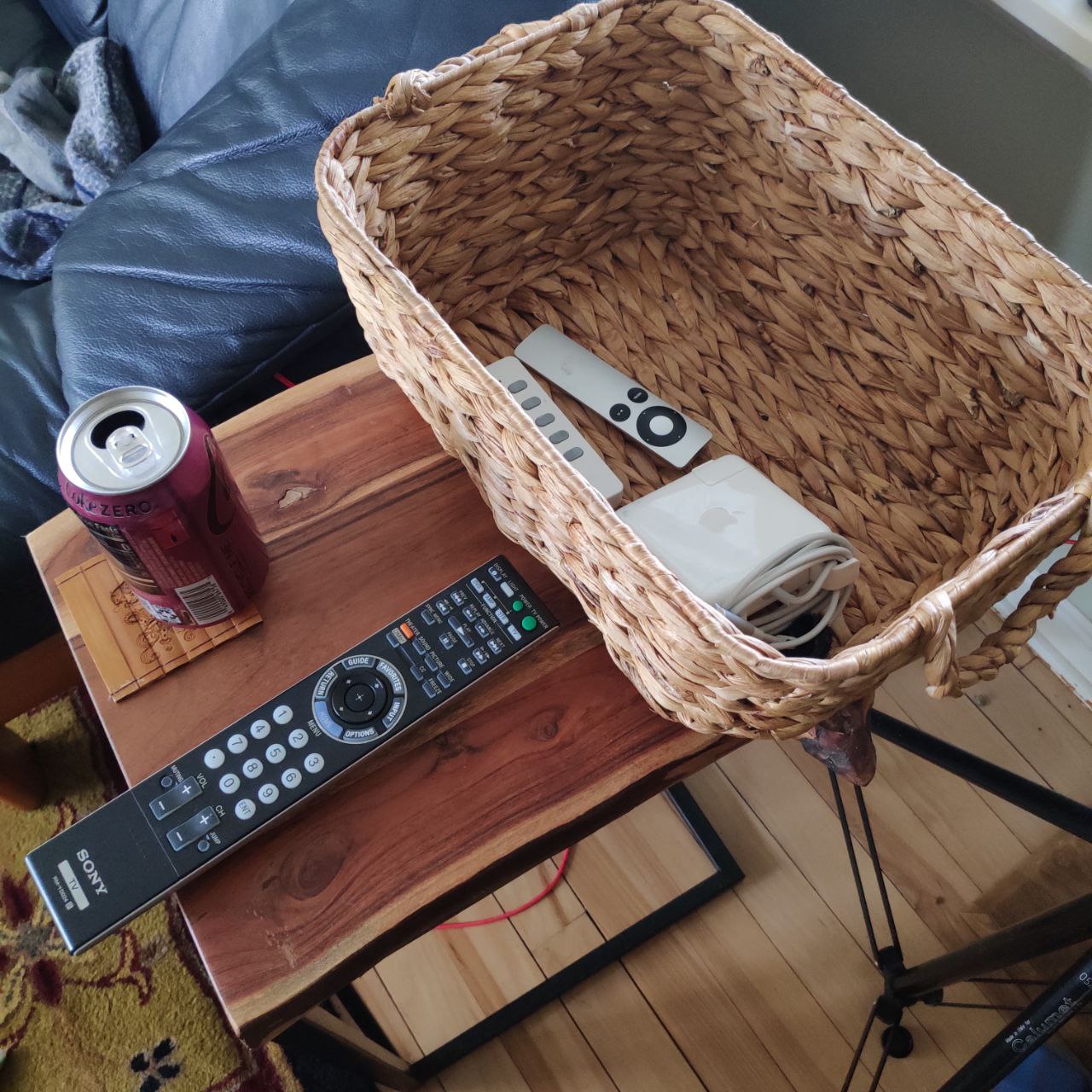
The first is what you'd expect. It's when the dementia inside my dad's brain takes over and he grabbed something and stashes it away somewhere for no one to know the better.
The second you'll know if you yourself care for a person who is living with dementia. That's when you hide things away from the dementia person since you don't want them to be grabbing that thing and messing it up.
All types of family caregivers do this with sharp objects like knives and scissors. Spousal family caregivers especially hide away the food that they want to keep themselves.
The third is the driving force behind both. It's hard to admit dealing with Dementia over the years can cause a household great dysfunction.
Dementia is a group of symptoms best known for hindering memory and causing delusion. Dementia happens because - depending on the type of dementia - certain parts or functions of the brain deteriorate over the course of time.
The person in your family is being robbed of their ability to think like the rest of us, and that introduces dysfunction into the household.
When the long-standing head of the family starts slipping away, what could go wrong?
The person living with dementia moving things, the caregiver hiding things from the person with dementia, and the progressively worsening neurodegenerative symptoms - these are the three reasons why you’re losing stuff all the time!
How to stop misplacing things? This is the last time!
This kind of angst is the real reason I log on shopping on Amazon - you too? I want to buy the solution to losing things around the house, because everyone loses stuff, and with dementia in the home, my family loses stuff even more.
Tiles is a simple system to keep track of things you can’t live without. You buy a Tile and download the Tile App. You put your Tile together with the thing you don’t want to misplace. You use the Tile App to find it when you misplace it.
The Tile we’re talking about today is a brand and a product line that you keep attached to your important things, so that you never lose them. It works because the Tiles are low-energy long-term battery-powered Bluetooth-enabled doo-dads that you attach to your important things - like keys, wallet, or the TV remote.
Yes, I believe Tiles have many applications to make life easier for families who manage the care of someone with memory loss. Tiles keep track of the remote, keys, wallets, and basically anything else you can cling a Tile onto.
The tiles app is really easy to use, and you can use multiple Tiles in the same app.
I’m convinced the iterative IoT technology developed by Tiles is the reason their physical GPS/Bluetooth trackers are easier to use than others.
The same app supports all types of Tiles, so you’re not going to clutter your phone up after you get one, love it, and buy another. The more physical Tiles the merrier!
The reason I’m looking at Tiles for my dad and his other with dementia is I think they’ll fit into the lifestyle we already have.
But the problem is, where to put the Tile so that it works in your lifestyle?
In my family, we hide things from my dad, but end up hiding the thing from one another in the process.
The other part is my dad’s wandering. We want a way to find him when he goes to “stop those people in the garage” because Michigan summer nights are when he likes to wander most. (Which is a blessing, because that’s better than a Michigan winter any day!)
The Tile Mate is the original, upgraded latest in 2022, and it’s square with a corner keychain hole. Available in black and white - which never go out of style. Ask grandma!
It can be found using the Tiles App, or by getting it to make a Big Loud Sound, which is audible to people with minor to medium hearing loss.
Caregivers don’t like adding another thing of responsibility into their routines. You should know before you buy, Tile Batteries typically last for ONE YEAR, so you’re going to have to replace the battery for each of the Tiles you’re using ONE TIME EVERY YEAR.
You can buy your first Tiles Mate for under $30 last time I checked, the best value if you want to try before you buy an entire system.
If you’re already convinced Tiles will help your family better manage interpersonal interpersonal hoardings while managing dementia care, then Tiles offers all kinds of starter bundles and multi-packs at less cost then buying each Tile component individually.
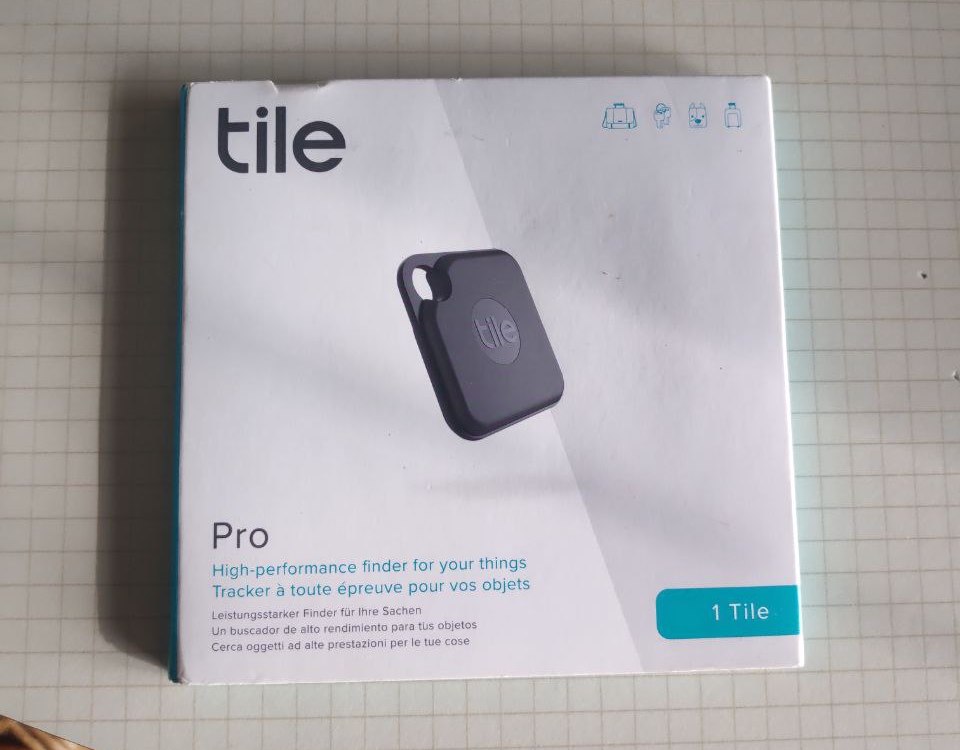
Shaped sleek like a car fob, the Tile Pro is basically the same thing as the Tile Mate - in terms of how you use it to track things with the app or with sounds, because the app and the physical Tile are connected and work together.
You use the app to find your things in a number of convenient ways.
In 2023, you can ask Alexa to find your Tiles. “Alexa, where is my Tile Pro?”
Super excellent option for the person with dementia, who keeps a wallet on their person, and who has a tendency to wander outside the home if left unsupervised.
It’s got a range of 200 feet for the bluetooth part. But even if the elderly person you’re watching after starts hitchhiking across the united states, you can use your Tile App’s location history map to see snapshots of their journey or Hollywood or bust.
If the person with Dementia is keen to keep their wallet in their possession, then putting a Slim is a viable way for family members to find their family member around the neighborhood by tracking the location of the wallet in their pocket.
If the person with memory loss in your family keeps a wallet on their person by habit already, then the Tile Slim is a better method than other “clothes clip-on or lanyard dangler GPS trackers” on the market. These types of products are designed for the elderly and children, but I’m saying the Tile Slim is the better for people who keep a wallet while they wander!
If seen people break out of jail in movies before, and one of the first things they do is free themselves of shackles. When your family member breaks out of the house, they’ll probably ditch the GPS tracker you’ve stuck on their body, if it’s only purpose is to track them. With the Tile Slim, the tracker is in one place with the money stuff the person with dementia WANTS to hold onto.
My number one worry is it’s gonna be too thick and bulky, and make using the remote a real bother. I could really imagine this thing turning my remote into a 3-legged teeter totter on the table - I want to avoid that tiny tap when I’m pressing buttons at all costs.
0.3 inches is the size of a Nila Wafer. But it’s still enough to cause a wobbly remote when put on a surface, and that would make using the remote a teetering poor tactile user experience.
It’s only got a range of range of 150 feet, so it’s best suited for indoor use - like remotes or other valuables you basically never take out the house.
Tile brand’s “Lost and Found Labels” take a different tech-enabled approach than their Tiles product line. It’s for people who lose things outside the house.
With Labels, they are just stickers with instructions to “SCAN IF FOUND”. If a Good Samaritan finds your lost item, and scan the sticker’s special UPC code looking thing (called a QR-code) with their phone, then they’ll be taken to a page where they can contact you to return your item.
You don’t have to list your name or phone number, so the technology enables your personal privacy better than a traditional handwritten contact information.