Graycare (graycare.net) is a participant in the Amazon Services LLC Associates Program, an affiliate advertising program designed to provide a means for us to earn fees by linking to Amazon.com and affiliated sites. Learn More
This is a tough post to write, because the behavior my father exhibits is difficult to fathom for those who don’t have a family member like him in their household.
The Boy Who Cried Wolf warned his community of a hungry wolf several times over, the community stopped heeding the boy’s cries, because they learned there was no wolf. Until the day when the hungry wolf truly arrived…
You know the story.
My dad calls for help throughout the day, and often simply uses the word “Help” without further context. You come to find him, and learn what he wants, and give it to him.
Change the channel. A drink and snack. A better drink and snack, A bump up from the chair. Getting him in and out of the bathroom. Getting him out of bed to shower and eat breakfast daily. Picking him up from some position because he’s in discomfort and can’t move at all.
You have compassion for the challenge my family of caregivers has coping with this - He conditions you as a puppet to purposely service his non-essential preferences, and you get fed up, knowing one of these times, he might REALLY need help and you might fail to respond.
Despite all the work my family members do to plan, schedule, and carry out my father’s each and every day - it’s never enough to him, and with his dementia, he let’s you know by shouting for help at the at gradually increased volume at no end…
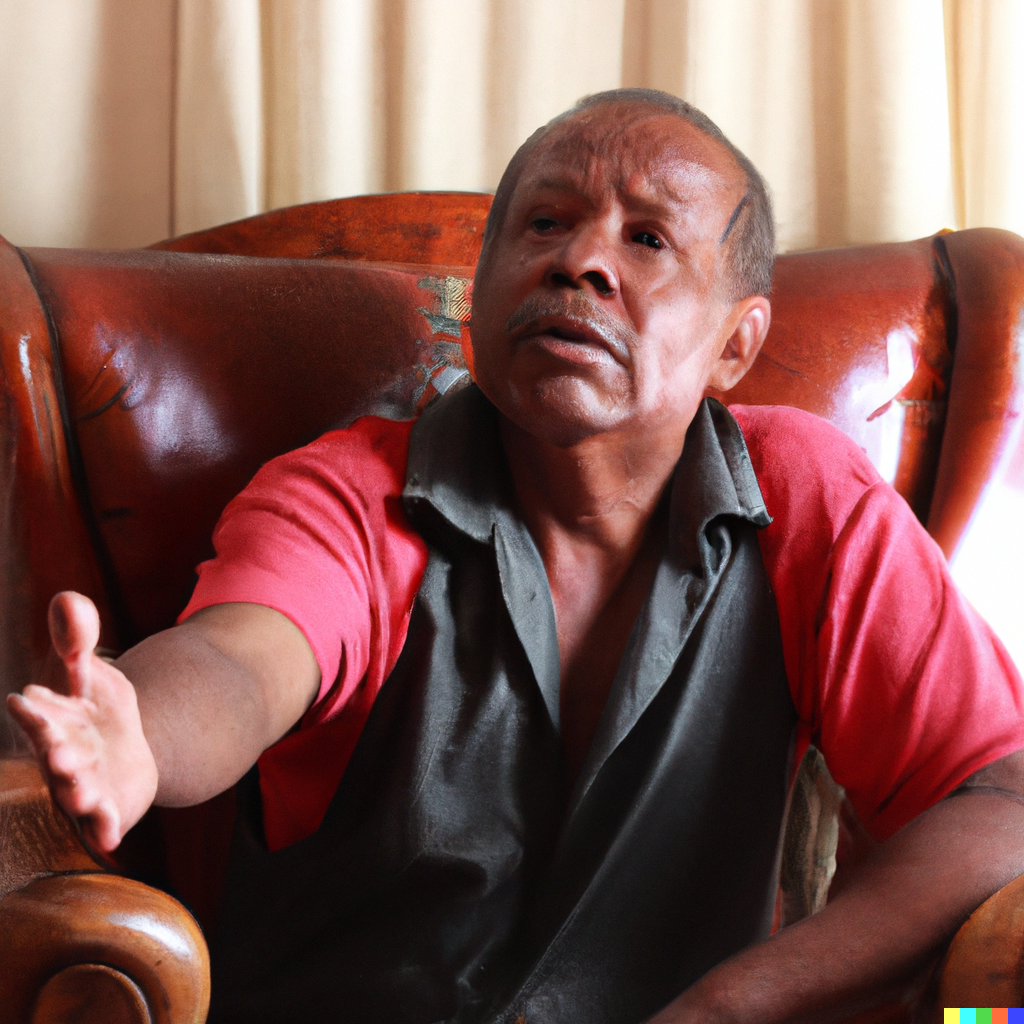
My dad’s role in this story is “The Dad Who Cried Help” - even when his needs are generally met already, but also when he legitimately needs assistance to ensure his comfort and safety.
My role in this story is “The Person Who Stops Heeding” - satisfying my dad’s every need and preference is an impossible job. It’d take a village to satiate my dad’s needs, because the dementia makes them irrational and generally untrue.
He sees people and things that don’t exist, and he started to believe them true over three years ago. He plays out a warped scenario where the people he sees are members of a project which he’s in charge of. It’s remarkably similar to the career he chose - he’s replaying it now in his ever distant reality.

Living with a loved one who has both Parkinson's and dementia can present unique challenges that are really hard to explain to people who don’t know it first-hand in their homes.
Frustration and overwhelm mash together with guilt for fear this is the the one time immediate assistance is truly needed.
If you know a better way to balance that, please let me know. Contact us.
Remember that their behavior is a result of dementia affecting their ability to communicate their needs effectively. I don’t know the definitive answer, and I want to share with you all the best insights I have.
Maybe, maybe it could offer relief to a struggling family caregiver facing similar circumstances today.
Parkinson's freezing interplays with dementia in ways that become very challenging for individuals kind enough to provide assistance to a person with such behavior.
People living with Parkinson’s commonly develop dementia at some point down the road, over the course of their disease.
The Parkinson’s makes it difficult for you to move, and the dementia makes it difficult for you to manage not being able to move in a socially-normative manner.
This is an oversimplification, but it gets the point across.
Graycare (graycare.net) is NOT a doctor.
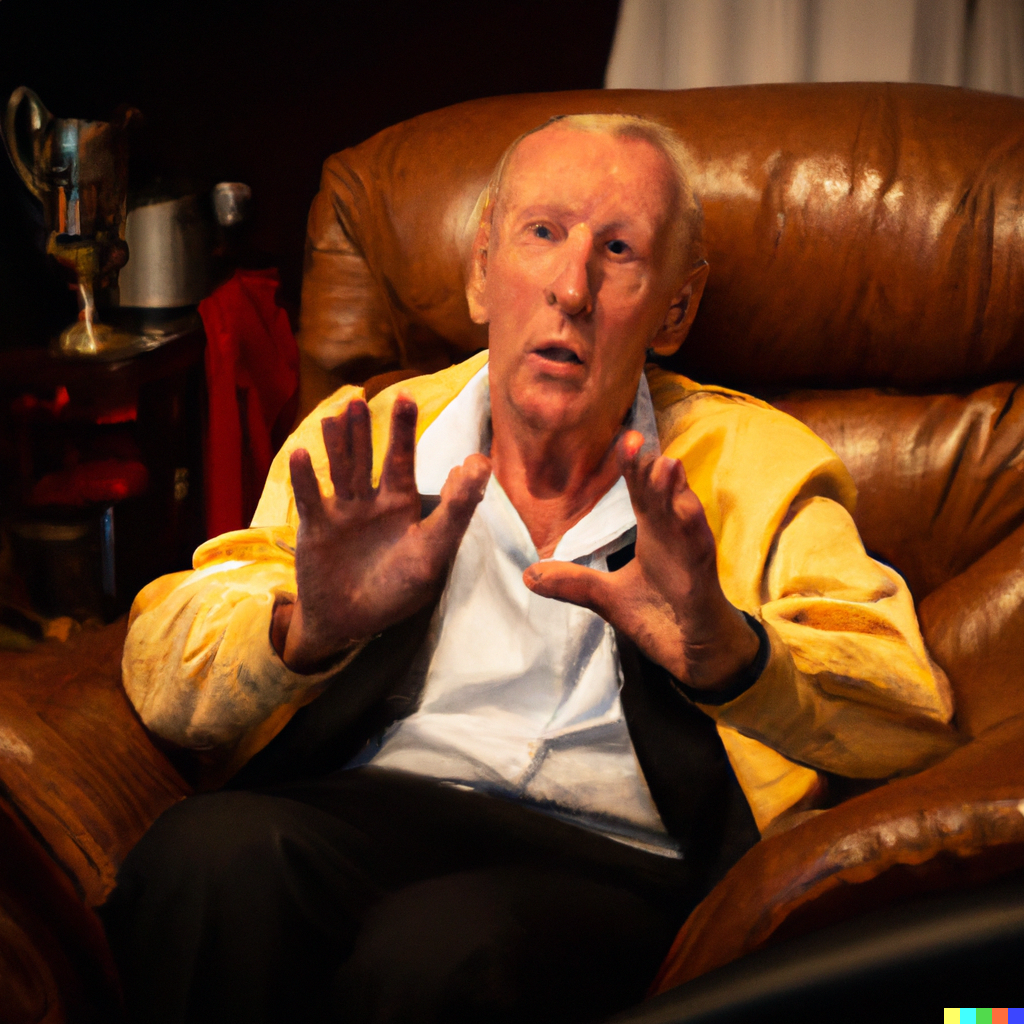
In the scenario we keep harping on, the person is calling for immediate assistance when such assistance is non-essential to the person’s immediate health needs.
They might not have the cognitive OR physical OR whatever lack of capacity to do it themselves.
I can’t unknow that Parkinson’s is known to limit a person’s abilities of selflessness.
I’m not a doctor, and my analysis tells me my dad’s dementia pulls him further away from sharing emotions with others. He thinks my wife is pregnant, and I’m creeping around with shadow girls in the shed.
When I practice the “Five Whys” by sharing an ear, prompting my father to elaborate on the happenings between the living room, garage, and shed - his raised eyebrows on clue me to know my dad’s withholding the truth.
Whatever the shadow people are doing between the living room, the garage, and the shed - I’ve puzzle pieced together - would not be generally socially acceptable were it to take place in a neuro-normative understanding of the world between the living room, the garage, and the shed - where my eyes do not see shadow people - but can pick up a reflection of the living room TV in the window at the approximate location of the shed - should you sit down in dad’s chair to understand how he perceives the world more closely to his eyes.
The constant pleas wear on your patience. They break you down if you let them.
Writing this blog post serves as a way for me to process and gain a better understanding of this behavior.
I hope you feel the same if you’ve got a Bermuda’s Triangle of unwholesome behavior reported in your household, as claimed by your family member with dementia
As I mature into role of Good Caregiver, I’m trying to use extreme words less.
My dad doesn’t ALWAYS YELL FOR HELP. He often requests assistance while awake. If his perception of his own needs becomes especially stressful to him, then he will resort to yelling. Yelling episodes can be reduced by service his needs more completely and more frequently.
Thereinlies the inherent problem, caring for someone with Parkinson’s and Dementia only becomes more demanding until end-of-life. It is a disease and condition that only gets worse after confirmed diagnosis.
I talked to my Parkinson's support group organizer, who gave me these steps to follow next time. Hint - the key is communication:
Big Poppa and lil gangreen get into lil tiffys, arguing around sometimes because my dad’s needs are high in volume and frequency, and losing my patience is something I will try to prevent and also to forgive myself for.
During previous disagreement between the outstanding Big Poppa and lil gangreen, we’ve both done things we regret, and we reconcile over pizza and sippies at the end of the day.
Big Poppa: ...has been yelling for help for a few minutes now...
lil gangreen: ...keeps ignoring it and wishing it would stop...
Big Poppa: ...continues to yell for help...
lil gangreen: ...stops what he's doing to get away from the noise for a few minutes...
Big Poppa: ...continues to yell for help...
lil gangreen: ...comes back and reacts with anger, "Dad, stop yelling, God!"
Big Poppa: ...continues to yell for help...
lil gangreen: "Stop it, be quiet. You can't just yell for help whenever you want."
Big Poppa: ...continues to yell for help...
lil gangreen: "Y'know, Big Poppa? You and me are father and song, but sometimes it's like we're friends. Hanging with you gives me street cred, so we're alright.”