Graycare (graycare.net) is a participant in the Amazon Services LLC Associates Program, an affiliate advertising program designed to provide a means for us to earn fees by linking to Amazon.com and affiliated sites. Learn More
People crave Vita Coco for hydrating goodness, a taste of the tropics, and especially when feeling dehydrated after sleep, sun, or a workout.
I reach for chilled Vita Coco when thirsty because I crave the coco and know it’s good for me.
Vita Coco in a 16 ounce bottle is the only coconut water I drink.
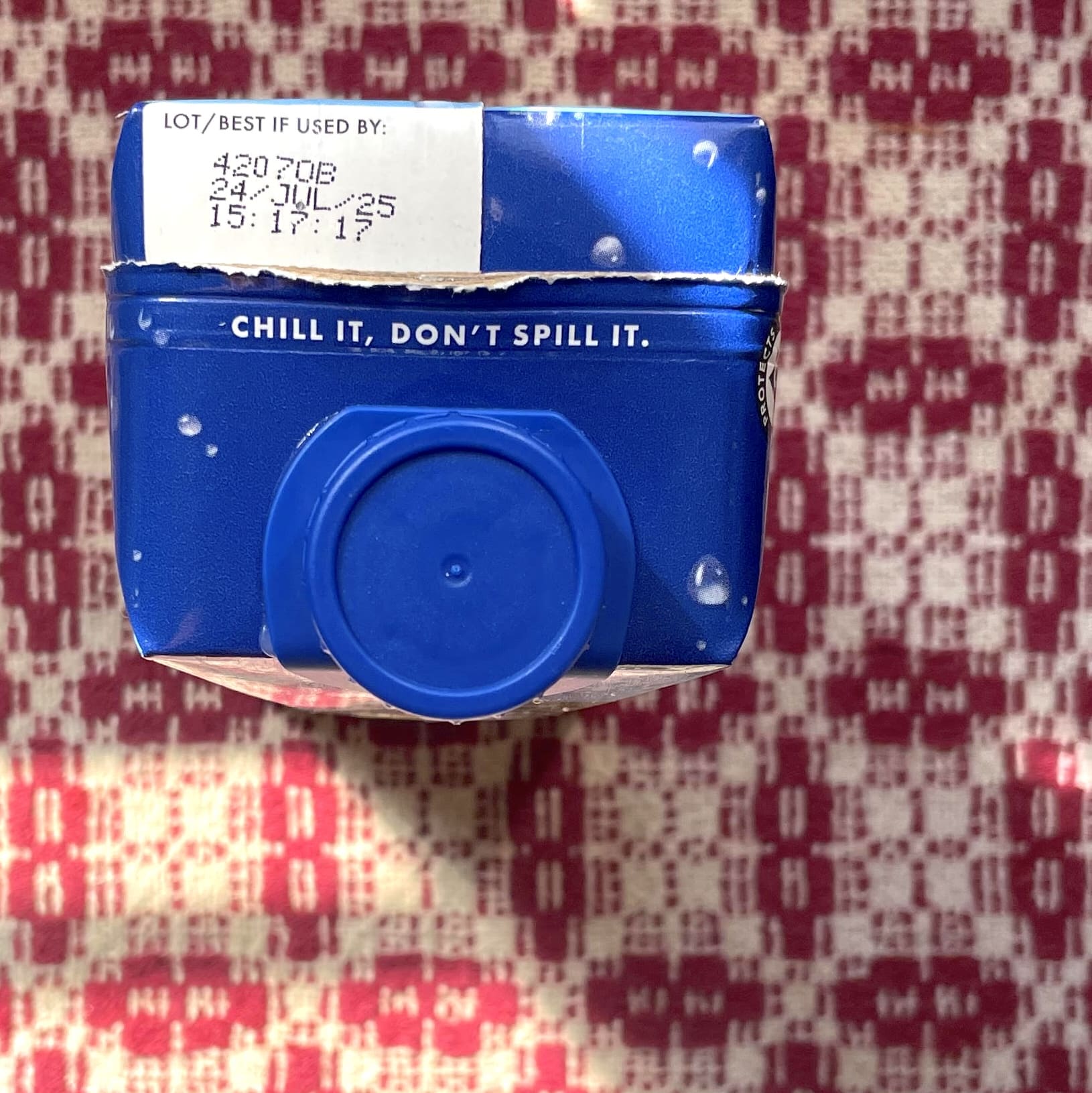
Vita Coco is best before the expiration date printed by its cap, and recommended to chill after opening, and to drink within 24 hours after opening for optimal coconut refreshment.
Sipping Vita Coco’s subtle natural coconut taste feels lubricated on top of regular cold water.

I keep a 12-pack of Vita Coco half in my pantry for storage and half in the fridge ready to drink.
It’s a lesser-known fact that Vita Coco can be used to cook coconut-flavored chicken by balancing a 1:1 ratio of Vita Coco and water, then boiling the chicken and adding raw ginger to taste.
I drink mine, my roommate cooks with theirs.
🥥 View Vita Coco official website.
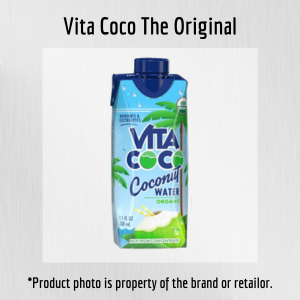
Like a tropical vacation in your mouth, Vita Coco coconut water is a light and natural way to replenish your level of electrolytes. The Vita Coco company was founded in the early 2000s with The Original Coconut Water, both coco-delicious and extra-hydrating.
Electrolytes are minerals that end up in your blood and other body fluids and help regulate your bodily functions in several ways.
Electrolytes affect the amount of water in your body, the acidity of your blood (pH), as well as your nerve and muscle function.
According to science on MedlinePlus.gov, electrolytes can be acids, bases, or salts and common electrolytes include: calcium, chloride, magnesium, phosphorus, potassium and sodium.
You excrete electrolytes when you sweat, so beverages such as Vita Coco which contain electrolytes aid to replenish the electrolytes in your system.
Water alone does not contain electrolytes. Aside from Vita Coco and other bottled coconut waters, other beverages known to contain a good amount of electrolytes include water straight from a fresh coconut, milk, watermelon water, sports drinks, and special electrolyte-infused waters recent to market.
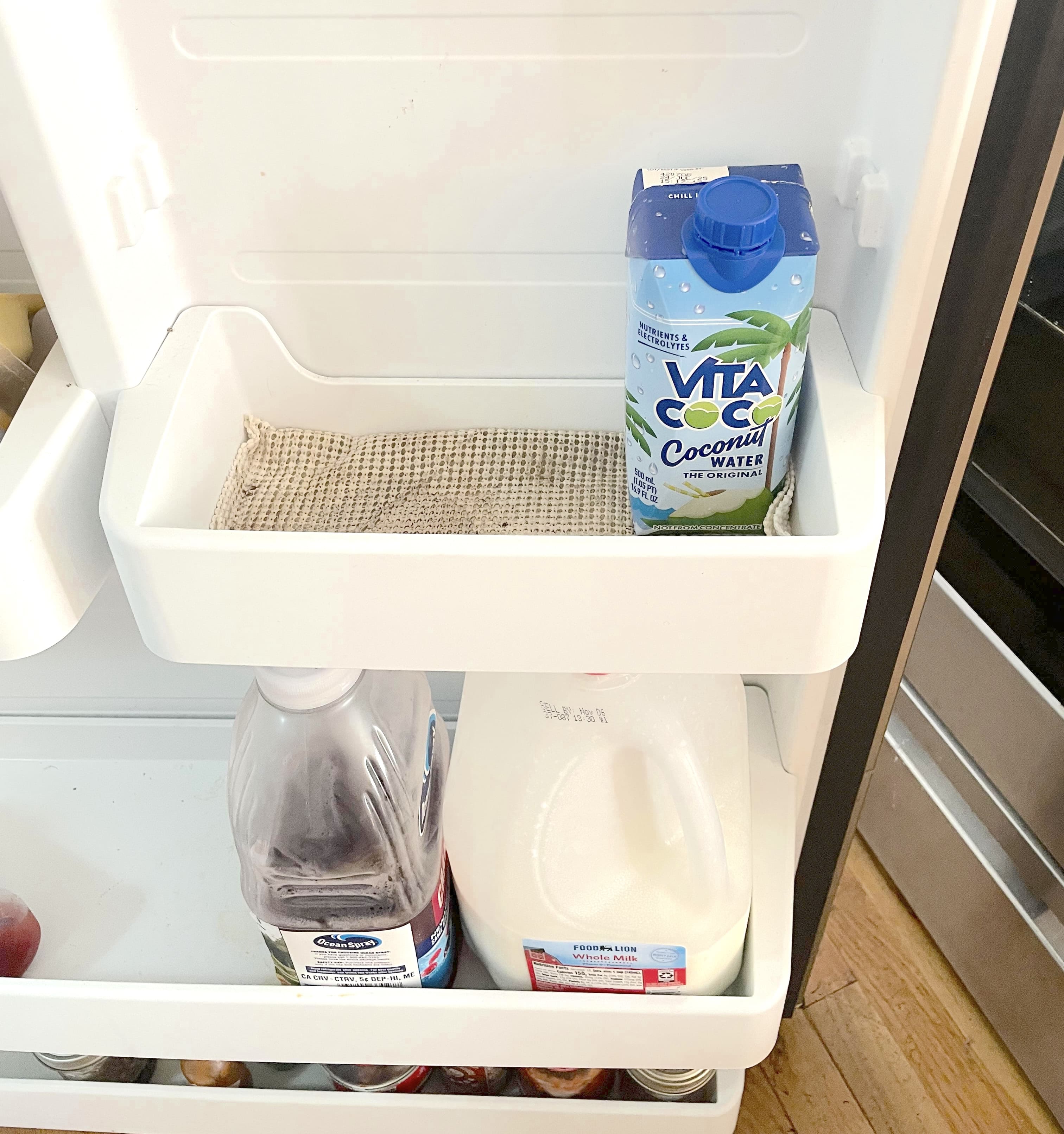
Ingredients: coconut water, less than 1% sugar, vitamin C.
Not to mention, Vita Coco is non-GMO, gluten free, soy free, vegan, and kosher to meet all kinds of dietary restrictions and preferences.
***Vita Coco helped me learn “Ascorbic Acid” is another way to say Vitamin C.***
When I buy a bottle of Vita Coco and look under the Nutrition Facts, I find my particular bottle is a product of Brazil.
“Our coconuts are handpicked on thousands of small farms throughout the tropics.” According to the Vita Coco company website, the tropics includes both the Philippines and and Brazil. An estimated two-thirds of the Vita Coco company’s coconuts are grown in the Philippines, and the other third are grown in Brazil.
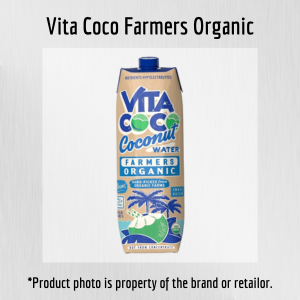
More information about Vita Coco organic farming in the Philippines can be found on their website with video footage of real organic farming taking place in the tropics. However this organic coconut farming pertains to Vita Coco’s Farmers Organic Coconut Water, not the regular The Original Vita Coco Coconut Water you and I usually pick up at the supermarket.
The history of Vita Coco involves using science to crack the coconut consumer market in North America and across the world.
Back in 2003 and 2004 when Vita Coco got its start in New York City, its founders figured out coconut water was a super popular beverage in countries on neighboring continents, like Brazil and the Philippines, yet back then almost nobody in the U.S. was sipping coco water.
Over Vita Coco’s 20 years it’s expanded its delivery of delicious and nutritious coconut water products with growers, processors, packagers, distributors, and sellers of fine coco water and coco milk.
Positive Vita Coco media attention has the world going loco for coco.
Vita Coco’s B Corp Certification indicates that Vita Coco really is a coconut business force for good.
To become a B Corp Certification, a company must demonstrate high social and environmental performance, change their corporate governance structure to be accountable to all stakeholders, and exhibit transparency by opening their books to B Corp investigators.
According to the B Corp theory of change, we should be stakeholders - not just shareholders - with the businesses and products we consume.
Vita Coco’s partnership with high-tech company Tetra Pak is one example of Vita Coco’s commitment to make all sides into stakeholders, not just shareholders.
When you look carefully at the bottom of a bottle of Vita Coco coconut water, you’ll see the words “Tetra Pak Tetra Prisma Aseptic”.
Tetra Pak is the company which manufactures Vita Coco’s bottles.
Tetra Prisma Aseptic is the specific type of Tetra Pack bottle for Vita Coco. It’s both good and recyclable to reduce litter and the overall carbon footprint.
Between the outside and inside layers of Tetra Prisma Aseptic are polyethylene, paperboard, aluminum, and more high-tech low-carbon polyethylene.