Graycare (graycare.net) is a participant in the Amazon Services LLC Associates Program, an affiliate advertising program designed to provide a means for us to earn fees by linking to Amazon.com and affiliated sites. Learn More

A small moment that meant more than it should have.
I’m writing this to document a moment from my work as a caregiver.
Not a dramatic moment.
Not a medical emergency.
Not some heroic act that belongs in a training manual.
Just two stickers.
I’m a Certified Nurse Aide and an in-home personal care aide.
My job is to go into someone’s home and help them live their life safely and comfortably.
That means helping with ADLs.
Activities of Daily Living.
Things like bathing.
Dressing.
Getting in and out of bed.
It also means helping with IADLs.
Instrumental Activities of Daily Living.
Cooking.
Light housekeeping.
Managing small routines that keep a household functioning.
And beyond all that, there’s companionship.
You sit with someone.
You talk.
You listen.
You make sure another human being doesn’t feel invisible.
That’s the work.
Most days, that work happens quietly.
There’s no applause.
No performance review from the person you’re caring for.
No gold star chart on the wall.
But today something happened that felt exactly like that.
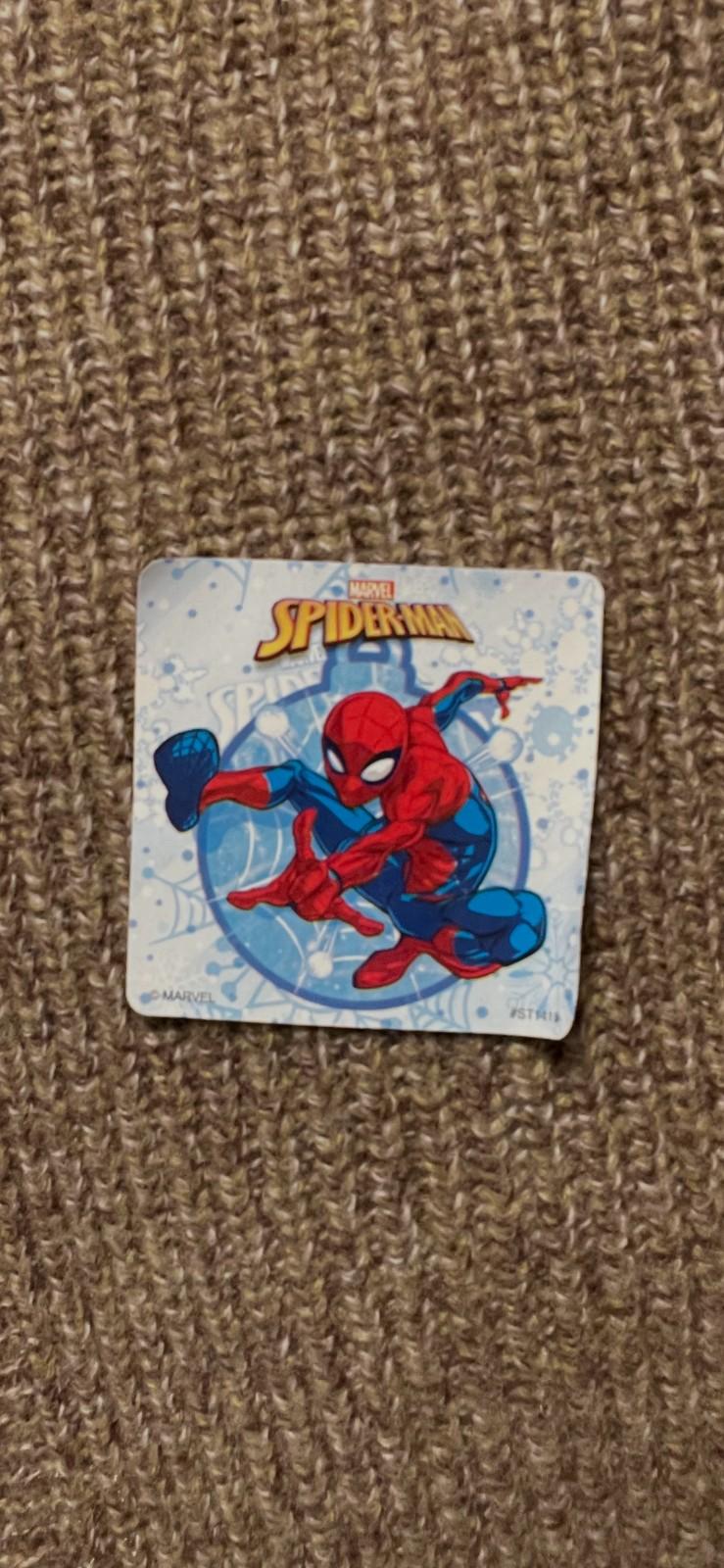
My client gave me two stickers for good service.
A token of gratitude from client to caregiver.
And if you’ve never been a caregiver, that might sound ridiculous.
But if you have done this work, you probably understand immediately why that mattered.
Caregiving is one of those professions where success looks like nothing happening.
If the day goes well:
Nobody falls.
Nobody gets hurt.
The medication routine stays on schedule.
The house stays calm.
You help someone maintain a normal day.
But “normal” doesn’t generate headlines.
Caregiving success is invisible.
You show up.
You help someone through their routine.
You make sure they’re safe.
You leave.
Then you do it again tomorrow.
And again the next day.
Many caregivers work months or years with very little direct recognition.
Not because clients don’t appreciate them.
But because caregiving relationships often become routine.
Comfortable.
Expected.
Quiet.
That’s why a small moment of recognition can land so hard.

Today my client handed me a sticker.
It wasn’t complicated.
Just a sticker.
But the intent was clear.
“You did a good job.”
That was the message.
And something about that moment hit me in a way I didn’t expect.
Because when you work in caregiving, appreciation often shows up in subtle ways.
A client trusting you with something personal.
A client laughing at a joke.
A client asking if you’ll be back tomorrow.
But this was direct.
A literal gold-star moment.
The kind teachers give kids when they finish their spelling worksheet.
And somehow it worked.
I smiled.
Then my client gave me another one.
Two stickers.
Official recognition.
From a purely economic standpoint, stickers are worthless.
They cost almost nothing.
They don’t have resale value.
You can’t pay rent with them.
But appreciation doesn’t always need to be expensive.
In caregiving, small gestures carry weight.
Because caregivers operate inside a strange professional boundary.
They’re close to people.
Very close.
Helping someone bathe, dress, eat, and move through their home creates a level of human interaction most jobs never experience.
But despite that closeness, caregivers must still maintain professional distance.
You are not family.
You are not a friend in the traditional sense.
You are a professional providing care.
So appreciation lives in a narrow space.
Too much monetary gifting can create problems.
Too little acknowledgment can make caregivers feel invisible.
Stickers fall perfectly in the middle.
They’re appreciation without pressure.
Recognition without awkwardness.
A simple signal that says:
“I see the work you’re doing.”
I’ve written before about gift cards as a way some clients try to thank caregivers.
A $20 card.
Maybe $40.
Sometimes $60 if the relationship has been going for a long time.
It’s understandable.
Caregivers don’t make enormous salaries.
Many clients genuinely want to help.
But the truth is that monetary gifts can be complicated.
Some agencies prohibit them entirely.
Some employers allow them with strict limits.
Some states have rules around it.
Sometimes accepting a gift can create awkward situations between caregivers and supervisors.
Even when the client means well.
That’s why non-monetary gestures are often the safest form of appreciation.
A thank-you note.
A kind word.
Or, apparently, a sticker.
No HR department is going to start an investigation because a caregiver received a sticker.
It’s appreciation in its purest form.
Another reason stickers work so well is simple.
Everyone understands them.
Children understand them.
Adults understand them.
Older adults understand them.
Stickers are one of those universal human signals that cross generations.
A gold star means “good job.”
A smiley face means “you did something right.”
You don’t need an explanation.
You don’t need a cultural translation.
You see the sticker and you know exactly what it means.
Recognition.
Approval.
Encouragement.
In a profession where feedback is often indirect, that clarity feels refreshing.
If someone wants to thank their caregiver this way, the options are basically infinite.
You could use classic gold stars.
The kind teachers have used for decades.
You could choose seasonal stickers.
Snowflakes during winter.
Pumpkins during fall.
Little Christmas trees in December.
You could choose stickers that reflect personal interests.
Superheroes.
Sports teams.
Cars.
Animals.
Some people even use humorous stickers.
Ones that say things like:
“Great Job!”
“You’re Awesome.”
“100% Effort.”
There are even stickers designed specifically for caregivers.
You can find ones that say things like:
“Best Caregiver Ever.”
“Care Champion.”
“Thank You for Caring.”
None of them cost much.
But every one of them communicates appreciation.
This might sound like a strange detail.
But it actually matters.
Usually the caregiver applies the sticker themselves.
And the most common place to put it is on the upper chest area of their shirt.
Either the right side or the left side.
That placement makes sense for a few reasons.
First, it’s visible.
The client can see it.
That reinforces the moment.
Second, it avoids awkward areas of clothing.
No one wants a sticker on their back or waist.
Third, it mirrors where name badges often go.
Which makes the sticker feel almost official.
Like a tiny award ceremony.
A badge of honor for the day.
Caregiving can be emotionally demanding.
You’re responsible for someone else’s safety.
You’re often working inside someone else’s home.
You witness vulnerability every day.
Sometimes you see loneliness.
Sometimes you see frustration.
Sometimes you see people confronting aging or illness.
The work requires patience.
Consistency.
And emotional stability.
Caregivers give a lot of themselves.
So when a client offers recognition — even something small — it helps restore balance.
It reminds the caregiver that their effort matters.
That someone notices.
That someone appreciates the quiet work happening every day.
Two stickers can do that.
For me personally, receiving those stickers felt like a milestone.
I still remember passing my CNA exam.
That happened in the state capital.
It was a serious moment.
A professional achievement.
But this was different.
This was recognition from the person who actually receives the care.
The person who sees the work up close.
The person whose life is affected by it.
And that made the moment meaningful in a different way.
Professional certification proves you can do the job.
But appreciation from a client proves the job is making a difference.
If you’re someone receiving care — either at home or in a facility — you might wonder how to show appreciation.
Here are some simple options.
1. Give a Sticker
It’s easy.
It’s inexpensive.
It’s universally understood.
And it won’t create ethical complications.
2. Say Thank You Directly
Sometimes the simplest words mean the most.
A sincere “thank you for helping me today” can make a caregiver’s day.
3. Write a Short Note
Even a two-sentence note can become something a caregiver remembers for years.
4. Share Positive Feedback With Their Employer
Many agencies keep records of positive client feedback.
That can help caregivers professionally.
5. Offer Encouragement
Caregivers sometimes wonder if they’re doing enough.
A few kind words can remove that doubt.
If you’re a caregiver reading this, here’s something worth remembering.
Small moments matter.
A client smiling when you arrive.
A client thanking you before you leave.
Or, apparently, a client giving you two stickers.
These moments aren’t trivial.
They’re signals that the relationship you’re building through care is working.
And those moments can sustain you through harder days.
Because caregiving isn’t always easy.
But recognition — even small recognition — reminds you why the work matters.
Is it appropriate to give a caregiver a sticker?
Yes. Stickers are a non-monetary gesture of appreciation and generally do not violate workplace policies.
Can caregivers accept stickers?
In most cases, yes. Because stickers have essentially no financial value, they typically do not create ethical concerns.
Where should the sticker go?
Caregivers usually place it on the upper chest area of their shirt, similar to where a name badge sits.
What kinds of stickers work best?
Gold stars, smiley faces, seasonal stickers, and positive-message stickers are all great choices.
Do caregivers actually appreciate small gestures like this?
Yes. Recognition in caregiving is often rare, so even small gestures can be meaningful. Most of the time the reward is simply knowing the job was done well.
Caregiving is built on routine.
Show up.
Help someone through their day.
Make sure they’re safe.
Then do it again tomorrow.
But every once in a while, something unexpected happens.
A client reaches into a drawer.
Pulls out a sticker.
And says, in the simplest possible way:
“You did a good job today.”
And somehow that tiny piece of adhesive paper ends up meaning a lot more than it should.