Graycare (graycare.net) is a participant in the Amazon Services LLC Associates Program, an affiliate advertising program designed to provide a means for us to earn fees by linking to Amazon.com and affiliated sites. Learn More

Michigan is somewhat well known for its grape production, especially for wine, juice, and some table grape varieties.
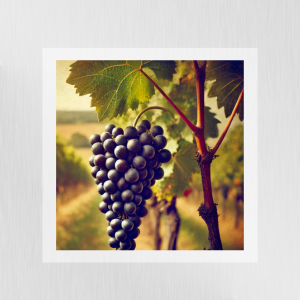
The Michigan grape turns into wine, juice, jelly, and agritourism.
Ever since my first bottle of Faygo Grape #ad, the purple has been one of my favorite flavors. As I grew up an older and wiser Michigander, I learned our state is fairly well known for grape production. Grapes grow well in both southwest Michigan and northwest Michigan vineyards.
Michigan is the nation’s 8th largest grape-producing state. Our commercial wine industry has been established since the early 1800s. Grapes have always been an excellent source of vitamin C and antioxidants.
Michigan is the nation’s top producer of niagara grapes. Niagara grapes are a good variety that can be used for wine, juice, jellies, or as table grapes. Michigan produces over 4 million gallons of wine every year.
Today in Michigan, 13,000 acres of vineyard grow grapes. We take the grapes to make sweet juices, fine wines, and some table grapes. Over 4,000 acres are devoted to wine grapes such as vinifera.
Over 200 Michigan wineries produce all kinds of wine. That includes red, white and specialty sweet berry fruit wines, sparkling wines, and infamous brandies.
Grapes only grow between the 30th and 50th parallels, and Michigan sits pretty on the 45th parallel north, sharing similar parallels with wine-famous France, Italy, and Oregon.
It’s “wine o’clock” somewhere in Michigan, according to the U.S. Alcohol and Tobacco Tax and Trade Bureau, there are five Michigan American Viticultural Area (AVA). An AVA is an officially registered region for production of wine with uniquely distinct characteristics.
Michigan’s southwest grape growing region Lake Michigan Shore AVA has Fennville AVA inside of it, like South Africa has Lesotho inside of it. The rest of Michigan’s AVA locations are in the northern part of Michigan’s lower peninsula.
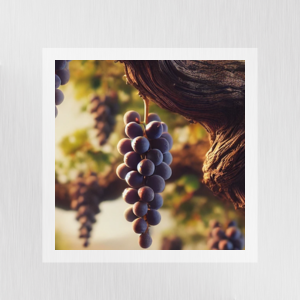
To give you a taste of the incredible variety of grapes grown in Michigan, we gathered a list of Michigan grape growers from the Michigan craft beverage council. For eating, juicing, and winery use, there’s no shortage of grape diversity in the State of Michigan.
Aromella, Auxerrois, Baco Noir, Brianna, Cabernet Franc, Cabernet Sauvignon, Cayuga White, Chambourcin, Chancellor, Chardonel, Chardonnay, Concord, Crimson Cabernet, De Chaunac, Foch, Frontenac, Frontenac Blanc, Frontenac Gris, Gamay Noir, Gewurtztraminer, Gruner Veltliner, Himrod, Itasca, La Crescent, Lemberger, Leon Millot, Marechal Foch, Marquette, Merlot, Muscat Ottonel, Niagara, Noiret, Petite Pearl, Pinot Blanc, Pinot Gris, Pinot Meunier, Pinot Noir, Regent, Riesling, Saint Pepin, Sauvignon Blanc, Seyval, Syrah, Traminette, Valiant, Valvin Muscat, Vidal, Vidal Blanc, Vignoles, Viognier, White Vinifera, Zweigelt.
It might be best to locate Michigan grapes in your area of Michigan, because they’re hard to find online.
Even if you live in Michigan, try as you might to find local-grown table grapes for sale, it’s hard to do. For Michigan grapes, try instead local farms, farmers’ markets, or specialty retailers, instead of just grocery stores.
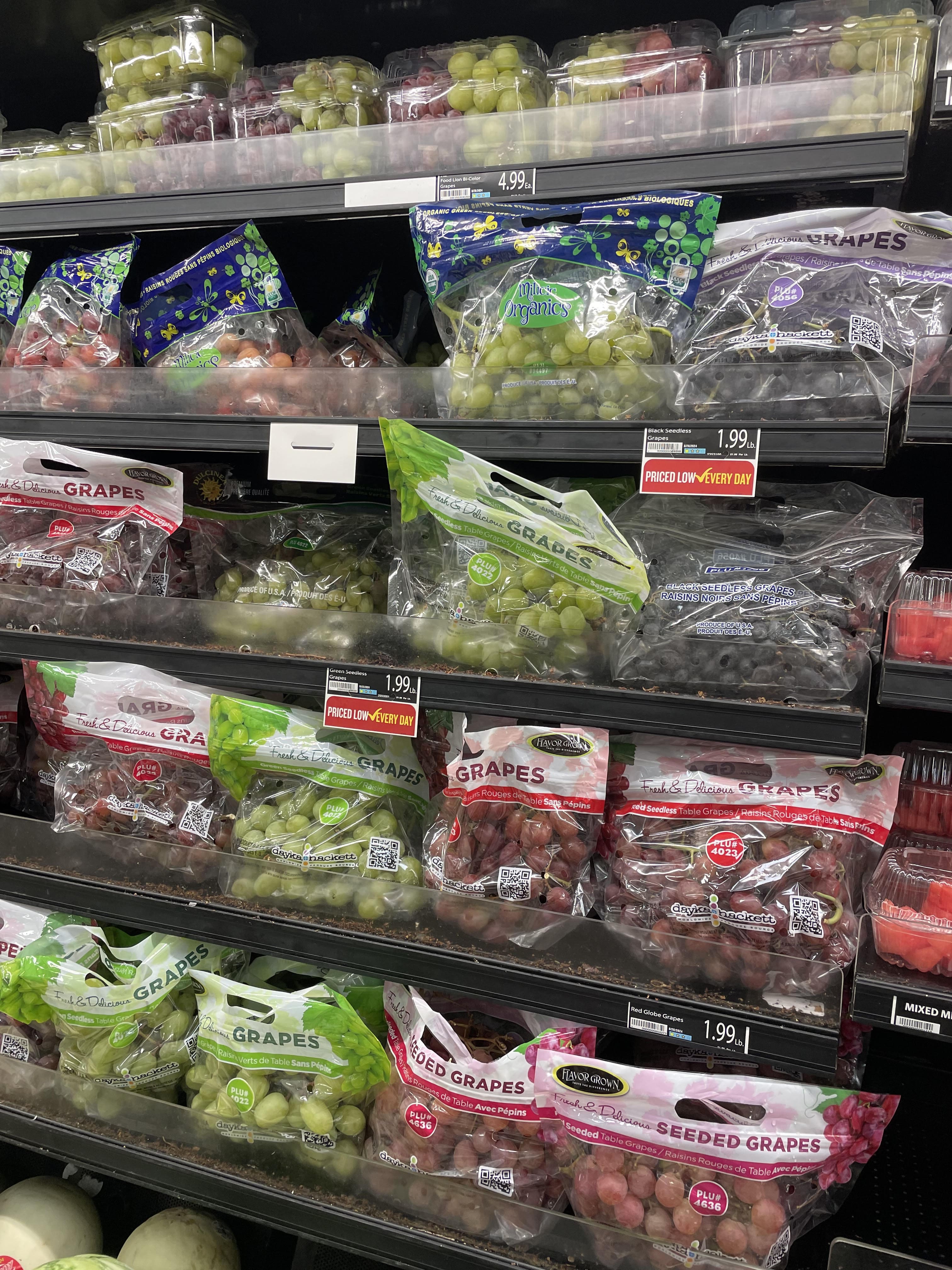
Most of the table grapes available at Meijer, Walmart, and Kroger come from California, Mexico and Peru, not Michigan. When those places have natural disasters like flooding and drought that limit grape production, the price of grapes in Michigan grocery stores goes up from $3.99 per pound to about $4.99 or even $5.99 per pound for red and green table grapes. Agricultural news reports harsh winters and cold snaps affect the Michigan grape crop too.
My best guess is, you can’t buy Michigan grapes in Michigan since your wine-maker neighbors hog them all.
No, you can’t find a bag of Michigan table grapes at the store, but you can buy fresh Michigan grapes for wine making if you're ready to buy in bulk on a special marketplace for Michigan wine insiders.
Source: FOX 2 Detroit on YouTube “Grape shortage affects Detroit small fruit shoppers with limited foreign green and red supply, no local supply, and inflated prices cause grape shoppers discontent.”