Graycare (graycare.net) is a participant in the Amazon Services LLC Associates Program, an affiliate advertising program designed to provide a means for us to earn fees by linking to Amazon.com and affiliated sites. Learn More
A strong community-based support network is in local churches across America. An estimated 135 million Americans [1] belong to a Christian conjugation.
Meanwhile, ~50 million Americans who've assumed the role of informal caregiver to an elderly family member seek support.
"Support" to a caregiver can be small or large; it can be direct medical care or checking in to say "Hi".
I'm thinking, Churches and Caregivers should get together. And they often do...
But it's easier for religious caregivers, someone who belongs to a church, to ask for help from a congregation of people they know, the people they feel familiarity of shared views and belonging as a community member.
Today, let's discuss one uncomfortable gray area: When a non-religious caregiver approaches a local Church to request support.
People who are part of a Church or other religious group, have values fundamentally rooted in moral good, I think.
Churches and religious groups commonly offer outreach programs to people aging in place and the elderly in nursing homes. Such programs reduce isolation and welcome social connection.
Some programs are designed to (re-) incorporate faith into the aging person's life.
Churches have bills to pay like any organization, so it's reasonable to understand a Church's decision to allocate resources which primarily benefit the members with activity participate and contribute to the organization. It's human nature of any group to care for one's own before caring for others.
Caregivers who don't actively practice Christianity or other religions, don't share the spiritual, belief, or faith aspect...
So secular caregivers commonly shy away from approaching church groups.
If you're not very religious, you might respect and admire people who hold Christian beliefs. But you also worry a Christian might look down upon you for calling yourself a non-believer.
Or worse, try to convince you to change your views on religion, towards the tune of accepting Jesus.
When you learn a local church operates caregivers support services, and they match the needs of the elderly person whom you care for daily, and you begin to consider whether or not you should reach out to ask for more information...
Non-religious caregivers fear asking for help from a group you're not part of will turn uncomfortable.
...So you continue to take on 24/7 caregiving responsibilities by yourself.
If you ask a Church-operated caregiving support service to offer you respite to focus on things in your life that don't necessarily pertain to faith, and they ask you to instead learn more information about faith, how should you respond?
Solution: Just say you’re not ready. Which is true, and sets a clear boundary. A reasonable person would respect your boundary.
“I’d just say I’m having a crisis in faith." Catholic charities have helped zillions of people regardless of their religion. As long as they’re helping you for the right reasons, you can see Catholic charities doing good work for all kinds of people.”
“All rise. The back of your knees shall touch the seat behind you at all times.”
I was raised Catholic, and attended the local Catholic grade school, but grew out of religion in adulthood. Not uncommon, though writing this I feel shame.
But wouldn't the greater shame be if religious groups and non-religious groups minded to each their own business while it would've been so easy to get together?
In communities across the United States, local religious groups are a common source of support for families living with aging-related disease.
My dad almost became a priest. What'd happen if an agnostic caregiver asked a local church group for caregiver support services without intent to join Sunday service?
This blog post was published after a conversation with my good ol' dad. I asked him to change my mind, and he did a pretty good job.
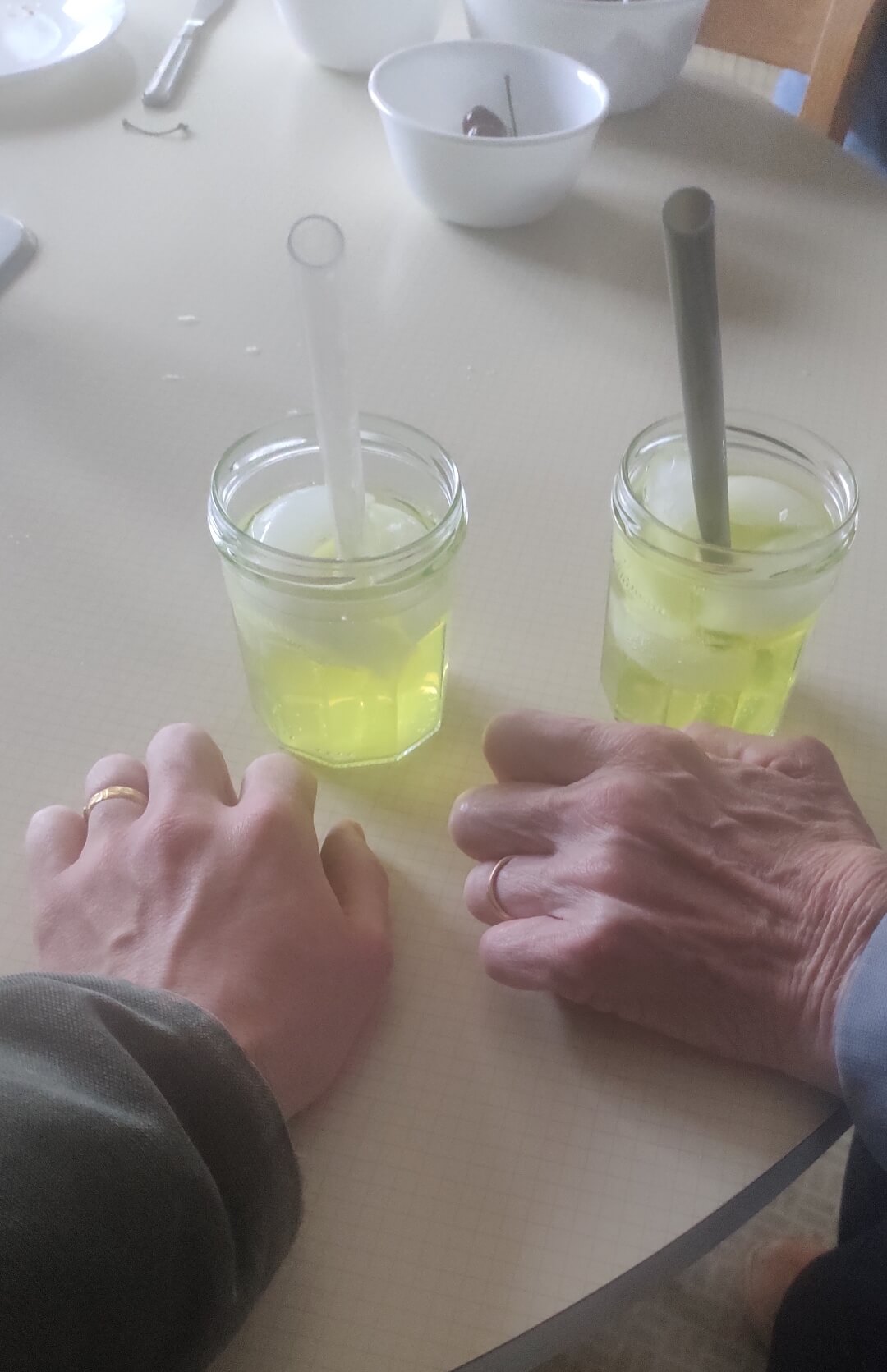
If you step past your differences of opinion, It's easy to see how a church group with a caregiving program already in place could offer meaningful respite to a family caregiver who's feeling overwhelmed.
Should you perform a legitimate cost-benefit analysis, the cost of swallowing my pride to ask for help far less significant than the possibility to gain ongoing support from and connection with good-intentioned people in your community.
I've re-examined my own attitude towards religion. I'm at least able to see the ways I'm too closed-minded, since it's my pride which prevents progress.
Big Poppa made sure I wrote his last comment: “We’re all just human beings, and human beings deserve to be cared for.” But it sounded like my dad was going to guilt trip me into helping him for often in more specific ways, so lil gangreen ended the interview.
[1] 2023 estimate based on Pew Research 2020 figures 334,233,854 population * .65 christians * .62 part of congregation