Graycare (graycare.net) is a participant in the Amazon Services LLC Associates Program, an affiliate advertising program designed to provide a means for us to earn fees by linking to Amazon.com and affiliated sites. Learn More
Renaissance Zones are a state program originally from 1996. Renaissance zones are geographic areas in Michigan designated with tax incentives for businesses there.
Back in 1996, the Michigan Renaissance Zone Act did not designate any specific cities, counties, or regions as Renaissance Zones, but it did outline the Renaissance Zone program’s purpose to boost local economies in distressed areas. (Source: Michigan Legislature)
The idea was, if you give tax breaks to businesses operating in poor neighborhoods, then it’ll create jobs that boost both commercial and residential growth there.
According to one economist (Source: University of California, Berkley), the hope is taxpayers located in Michigan Renaissance zones may be exempt from paying certain state-level taxes listed below, when you live in one and/or when you own a business in one:
Thanks to the MEDC (Michigan Economic Development Corporation), individuals living in a renaissance zone are eligible for a deduction when filing a Michigan income Tax Return.
Companies and residents living in Michigan Renaissance Zones must pay Michigan tax. That’s how you get the benefit, after filing for tax benefits in your state tax return to the Michigan Department of Treasury.
The feeling in 2024 is, we’re still ready for the renaissance to take place. Our state government re-addressed Michigan Renaissance Zones in 2024 to make a change to re-start the renaissance. (Source: Michigan.gov)
What to expect from Michigan’s many local Renaissance Zones in 2025?
What changed in 2024?
Before, business owners were wondering whether or not they live in a designated Renaissance Zone, and how to get the Renaissance Zone tax incentives when filing taxes for a business located within a Renaissance Zone.
Now, with low taxes for businesses in parts of Michigan with a bad economy, these pockets of pobriety inside Renaissance Zones might see economic prosperity soon.
How it’ll work is, these Renaissance Zones are low-cost places to operate a business, generally undesirable business locations in poor, crappy areas with low economic activity.
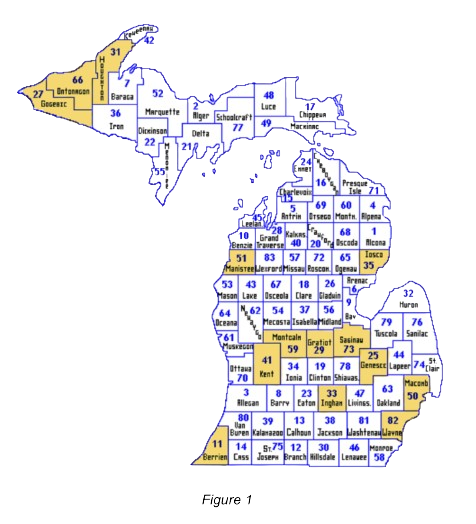
After the Renaissance Zones Act got started between 1996 and 1997, nine geographic areas of Michigan were designated as Renaissance Zones. (Source: Michigan Legislature)
*Back in 1997, two other places formerly known as Warren Tank Plant and Wurtsmith Air Force Base also got their renaissances in place away from civilian eyes.

Later between 2000 and 2001, four more geographic Renaissance Zones were officially added, bumping the total number of Renaissance Zones to 13 or 15 depending on whether or not you count the military two. (Source: University of California, Berkley)
What changed between 2010 and 2011? Michigan's Renaissance Zones expanded to new projects with designated companies. Fast forward to 2011, the Michigan Renaissance act was amended. Starting in 2011, in addition to “Geographic Renaissance Zones” there were also “Company-Specific Renaissance Zones” that were typically within a geographic zone but could be outside of a geographic zone if the company had a project there. (Source: MEDC, Michigan Economic Development Corporation)
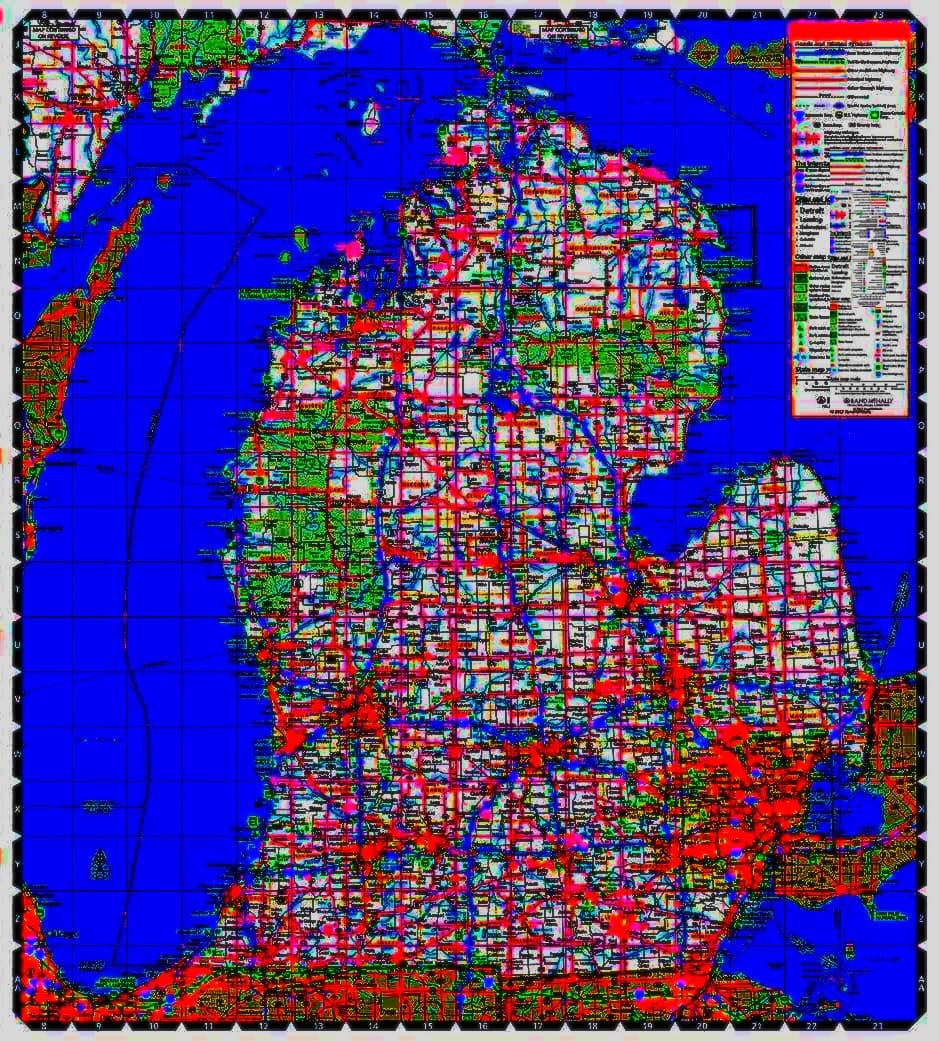
Somewhere between 2012 and 2013, an unofficial source made a blurry map designating 32 geographic Michigan Renaissance Zones. (Source: WNMU-FM Public Radio 90)
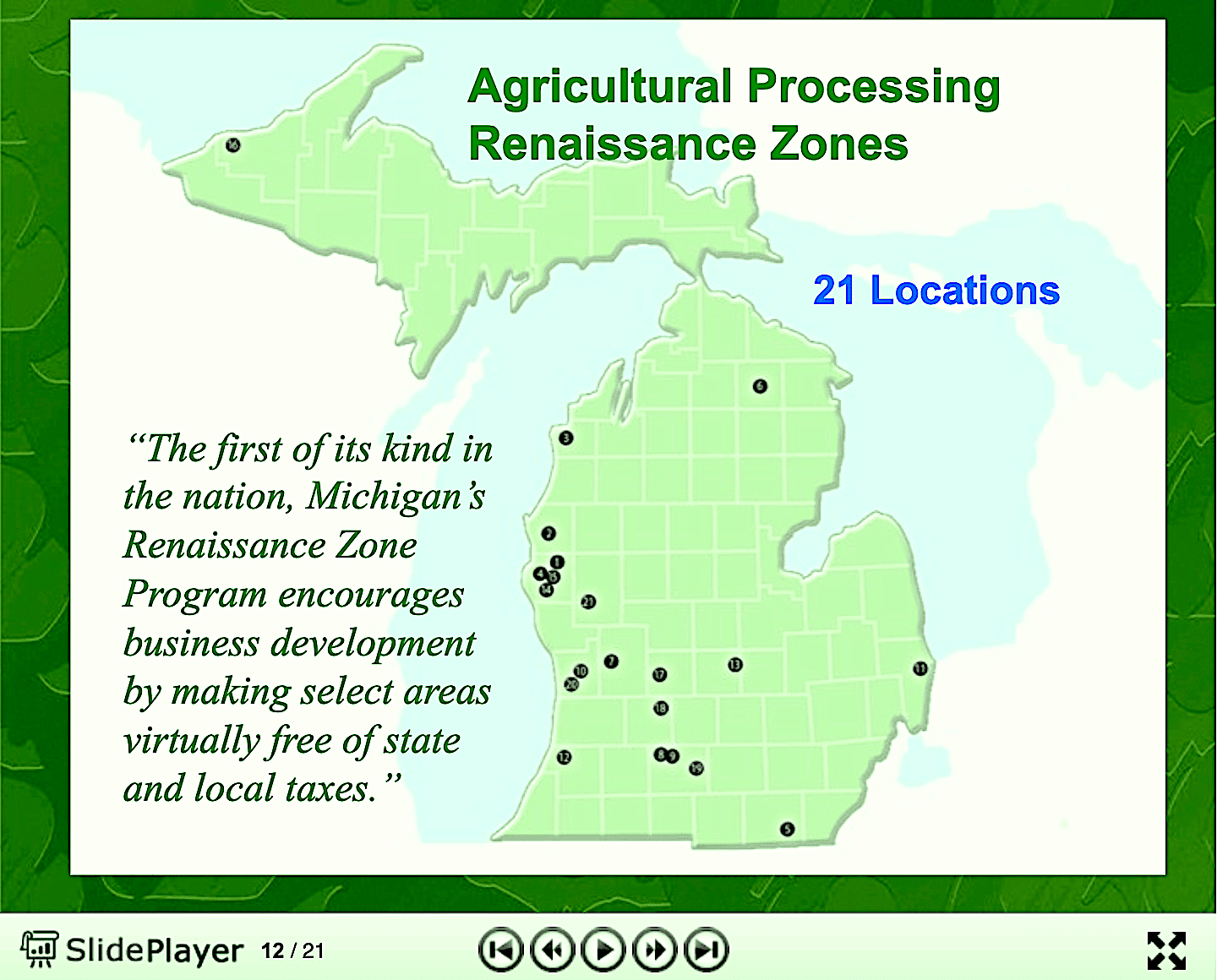
Fast forward to 2024 and 2025, the number of Renaissance Zones had expanded to 150+ Geographic Renaissance Zones where businesses and residents enjoy tax breaks. (Source: MEDC on X). Unfortunately, a designated list of the current 150+ Michigan Renaissance Zones is unavailable to the public.
Source: Ian Van Dahl - “Castles In The Sky” on YouTube “Oh Tell Me Why, Do We Build Castles In The Sky?”
If you’re one for gossip and negative media, then there has been no shortage of complaints about the effectiveness of Michigan’s Renaissance Zones program. The scathing headline from Crain's Detroit in 2020 stated: “Renaissance Zones Brought No Renaissance in Michigan”. Ouch!
Rumor has it the Renaissance Zones got their name from General Motors headquarters the Renaissance Center in Downtown Detroit.
No, the ten regions listed on the MEDC’s website are not directly related to Michigan Renaissance Zones. It’s a dead end if you’re trying to lookup whether or not you’re residing domi-style or operating business-style inside a designated Michigan Renaissance Zone.
No, the ten Michigan Opportunity Zone Prosperity Regions listed on the MSHDA website are not directly related to Michigan Renaissance Zones. It’s a dead end if you’re trying to find which tax forms are required to claim your Michigan Renaissance tax exemption.
No, the 70 sites listed by the MEDC’s miplace website as part of the Redevelopment Ready Communities program are designated areas of concentrated development or places planning for such development. Therefore, Redevelopment Ready Communities are not directly related to Michigan Renaissance Zones. It’s a dead end if you’re trying to find which re-development re-naissance worked best in Michigan.
No, to dress up medieval and enjoy a castle good time, please plan a vacation to the Michigan Renaissance Festival, which has absolutely nothing to do with the Michigan government’s Renaissance Zones.