Graycare (graycare.net) is a participant in the Amazon Services LLC Associates Program, an affiliate advertising program designed to provide a means for us to earn fees by linking to Amazon.com and affiliated sites. Learn More
Charcoal toothpaste became available on store shelves almost 10 years ago.
Since then, people seeking black teeth whitening solutions have brushed with charcoal toothpaste. All along, dental professionals have wondered whether the “activated charcoal” inside the paste helps or harms teeth.
According to the ADA’s latest 2025 article, it’s charcoal toothpaste’s abrasive properties in question. The activated charcoal powder inside the paste can wear down tooth enamel. The American Dental Association hints, since enamel doesn’t re-grow, adults should conserve the enamel already on your teeth.
It’s the stain-removing, tooth-whitening effect of activated charcoal toothpaste that also poses risk to damage the tooth’s hard enamel outer layer. 🦷
A 2023 dental patient education project from Wayne State University School of Medicine warns people about charcoal toothpaste damaging enamel, causing uneven whitening, and yellowing teeth. WSU states their bottom line about black toothpaste: “...Stick to [...] generic fluoride toothpastes! [...] Charcoal-based toothpaste is NOT the best choice…”
In 2024, Harvard said charcoal toothpaste could leave black bits around the edges of your teeth — when the activated charcoal black powder formulated inside the paste lodges in between tiny tooth cracks.
Still, the package I see in the store looks dark and sparkly, and I might just try squeezing black paste onto my toothbrush when I get home from the store. Smile!
If you still want to try black toothpaste, then charcoal toothpaste also with fluoride would be half bad (charcoal) half good (fluoride).
If you choose to use charcoal toothpaste, don’t use it everyday. Instead, continue using tried-and-tested fluoride toothpaste, and brush black just for fun. With due discretion, we hope you see a lil sparkle in black toothpaste.
Graycare is NOT a doctor.
The definition of dentifrice is a powder, paste, or liquid for cleaning the teeth. Using regular non-charcoal toothpaste, you can say the word dentrifice in the mirror to make brushing your teeth more entertaining. Black toothpaste has its novelty, but black toothpaste might hurt your teeth. Dentifrice.
Popular charcoal toothpaste tubes cost just over $1 per ounce for the least expensive to almost $3 per ounce for the most expensive. One tube costs about $8.00. Here’s the math:
How much does charcoal toothpaste cost per ounce?
💵 $1 per ounce = low-cost
💵💵 $2 per ounce = mid-tier
💵💵💵 $3 per ounce = top-shelf
How much charcoal toothpaste does one tube contain?
🪣3 ounces = small toothpaste tube
🪣🪣 4 ounces tube = medium toothpaste tube
🪣🪣🪣 5 ounces tube = large toothpaste tube
Inexpensive charcoal toothpaste costs about $3.00 for one tube, at $1 per ounce for a 3 ounce tube. That’s $6.00 for a 2-pack, or $9.00 for a 3-pack, or $15.00 for a 5-pack.
Regular charcoal toothpastes cost around $8.00, or $2.00 per ounce in a 4 ounce bottle. Before you buy, check the price per ounce. You’ll become enlightened with savings when you find a 2-pack that costs less per ounce than a 3-pack, when they taught you in school to buy more and save. People who always buy the three pack pay more when they don’t check for a lower cost 2-pack.
Expensive charcoal toothpaste costs about $15.00 for one tube, at $3 per ounce for a 5 ounce tube. That’s $30.00 for a 2-pack, or $45.00 for a 3-pack, or $75 for a 5-pack.
🦷🦷🦷
🪥🪥🪥
😁😁😁
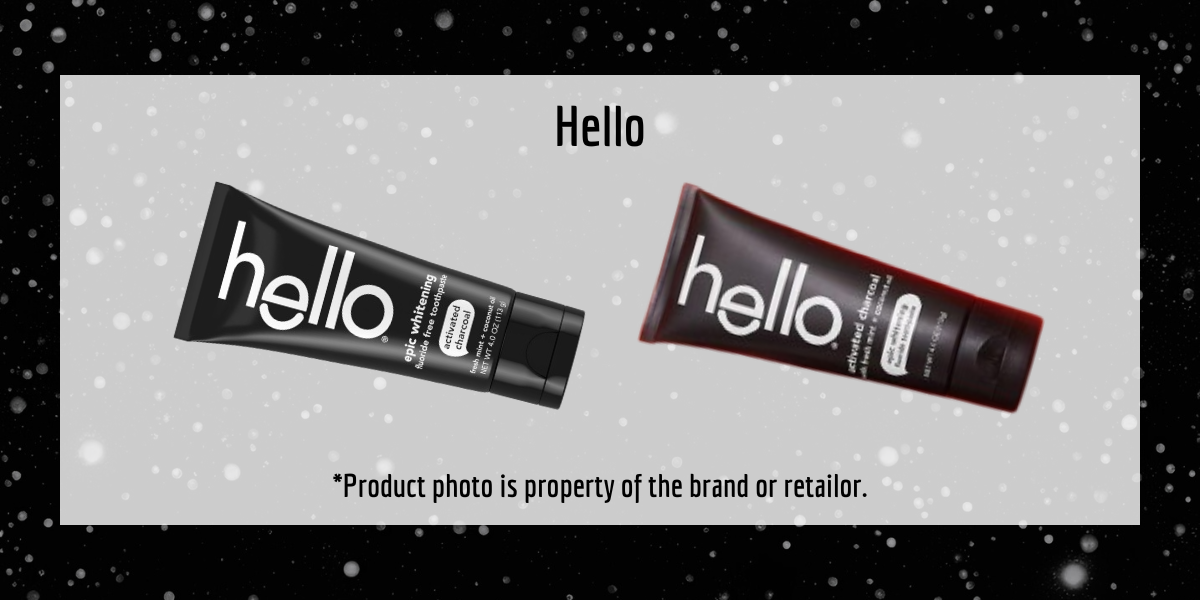
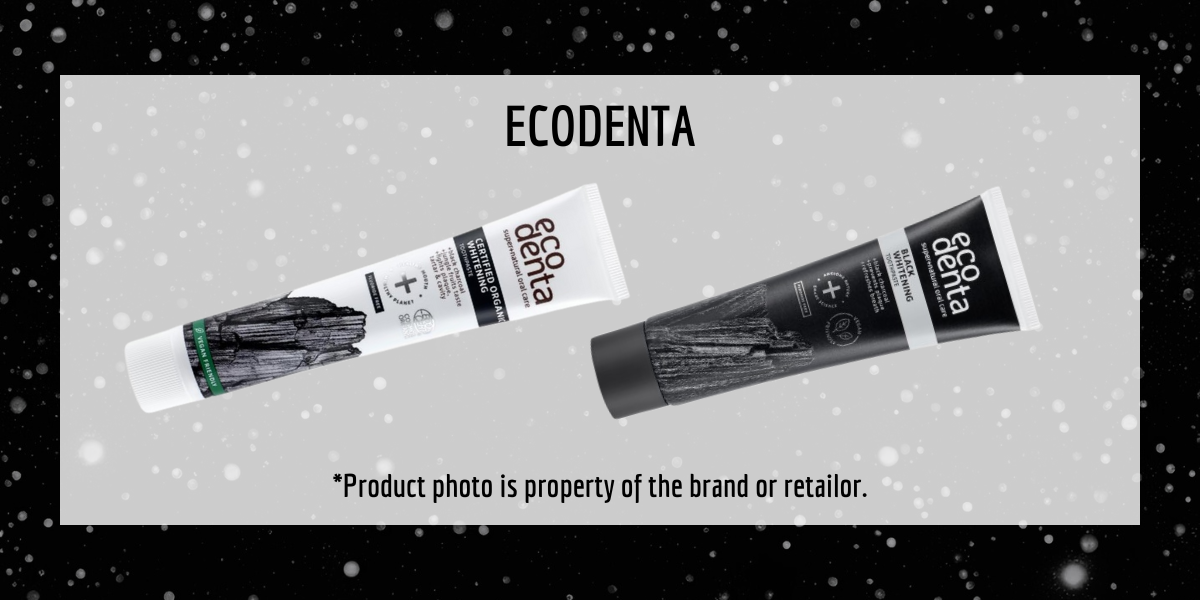
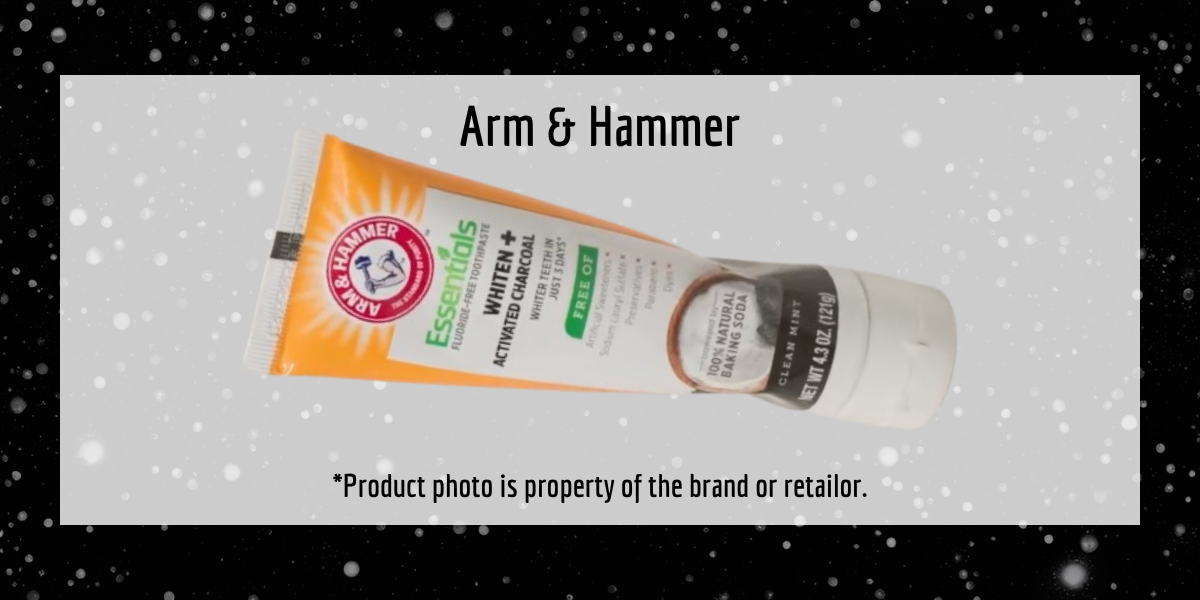

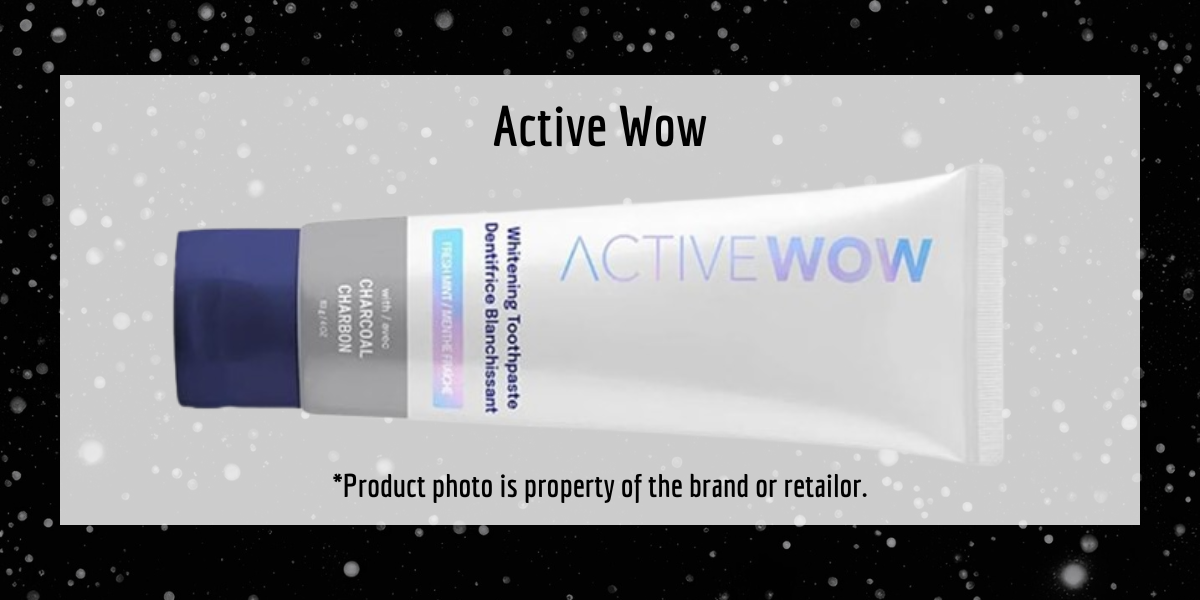
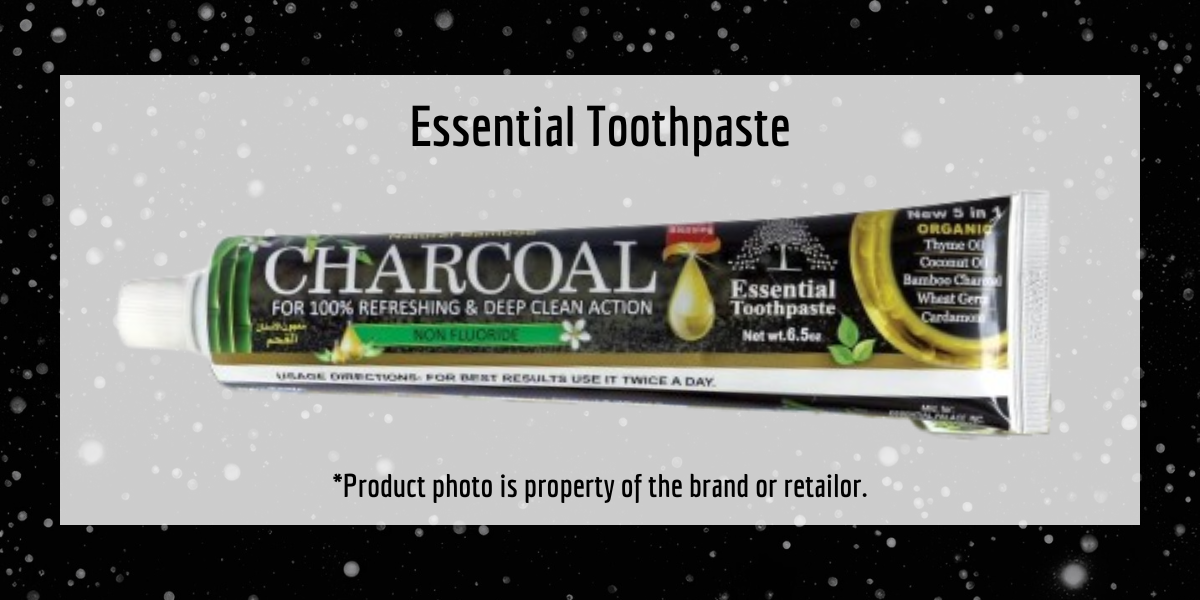
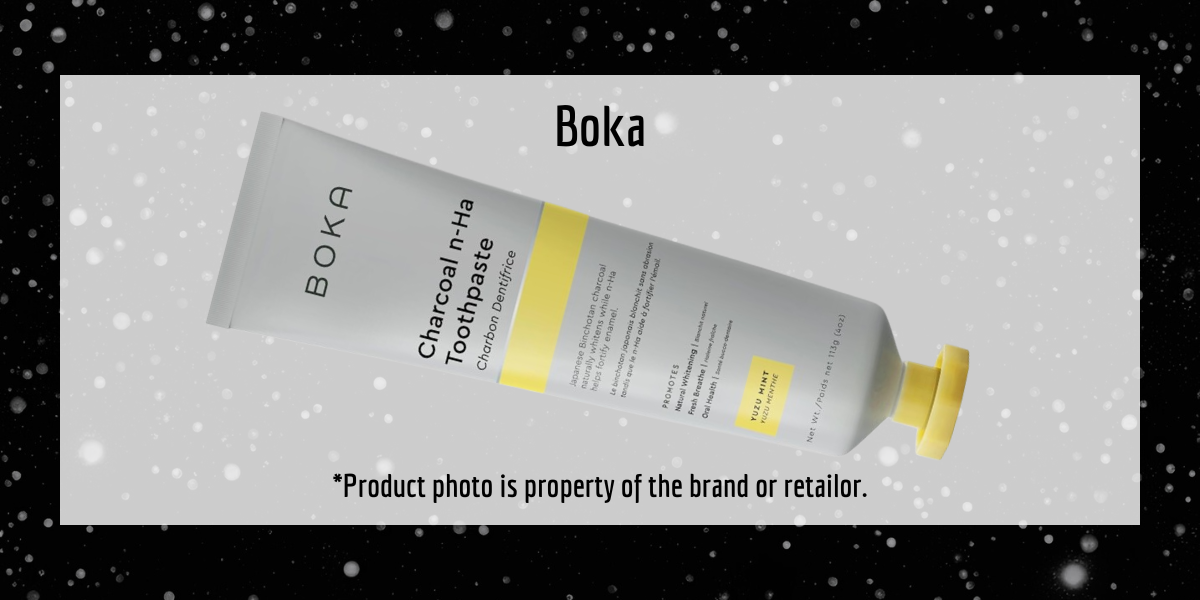
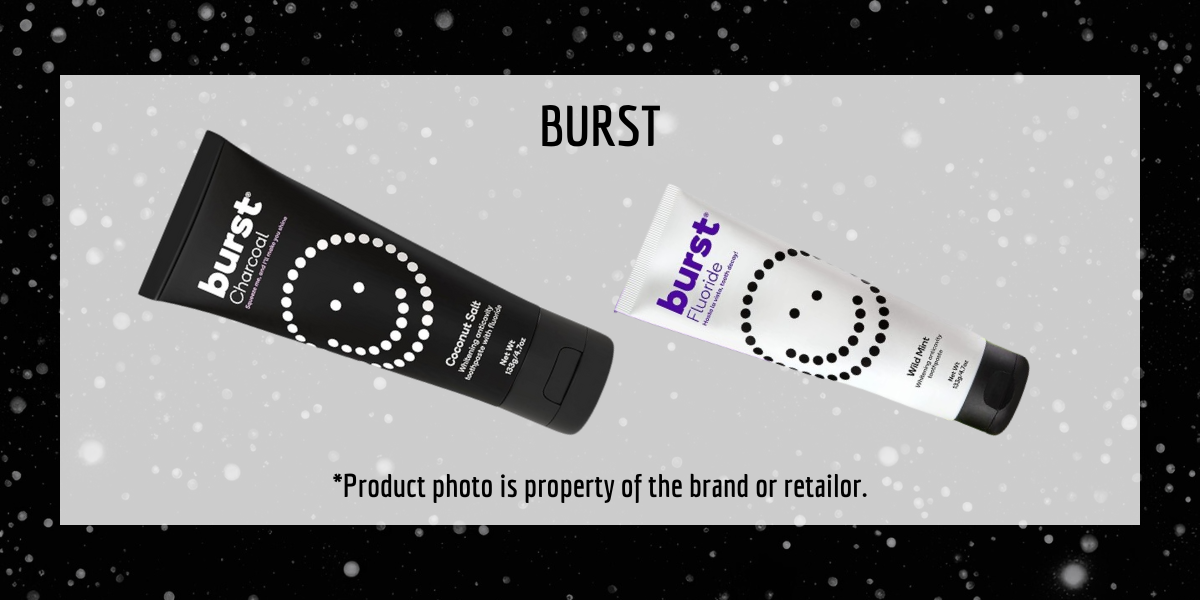
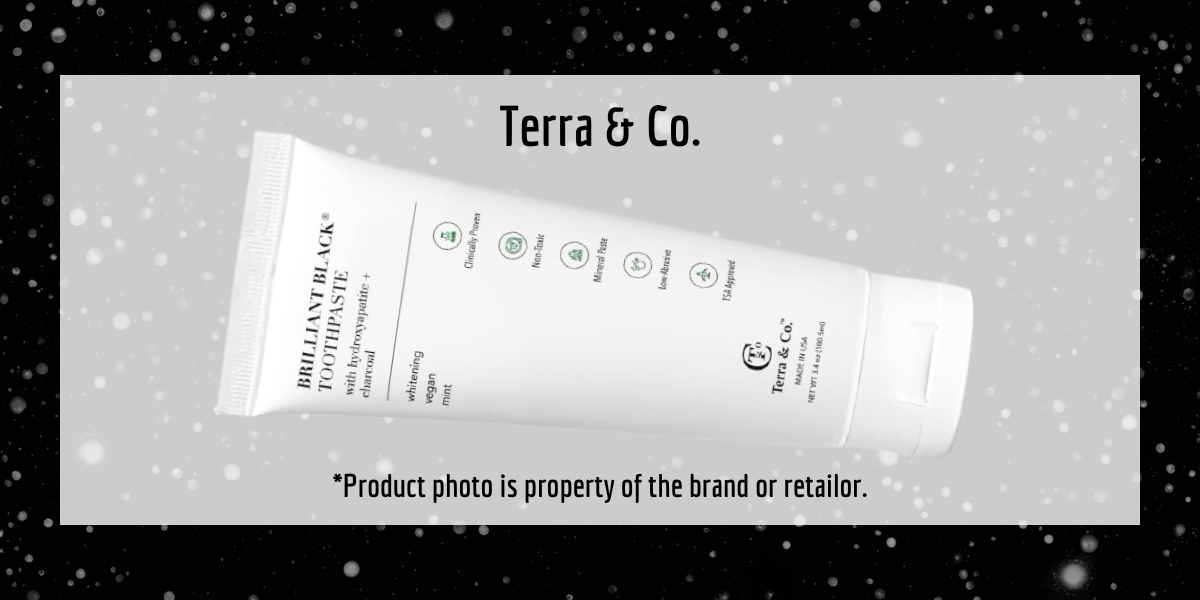
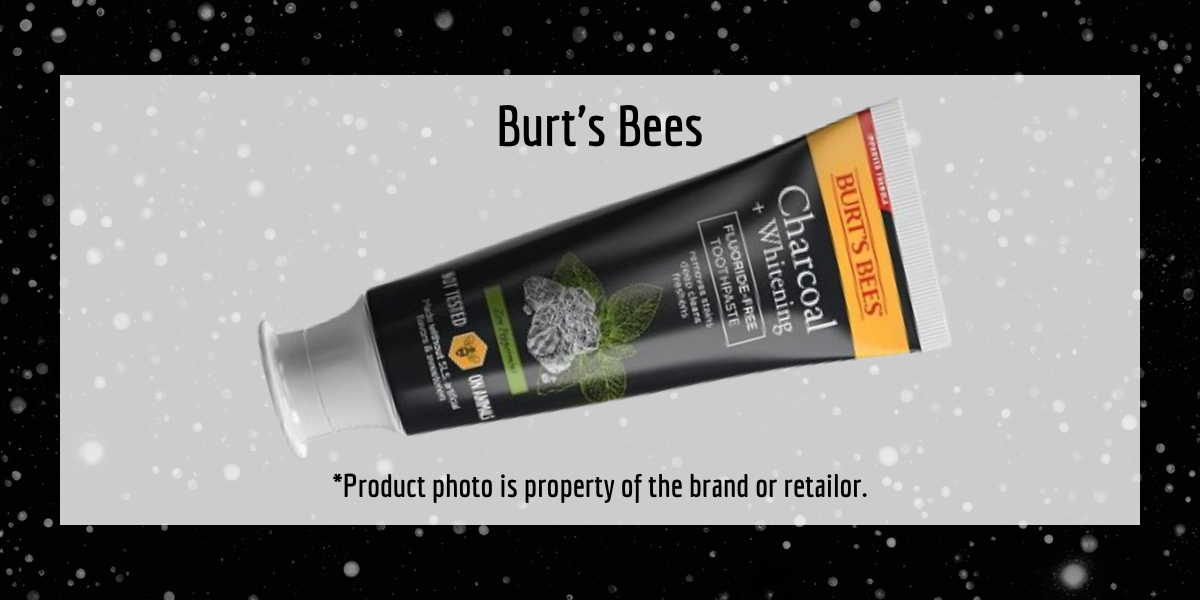

🦷🦷🦷
🪥🪥🪥
😁😁😁
I’ll explain four main ways charcoal toothpaste can be part of a beneficial tooth brushing habit. 🦷
Most people try charcoal toothpaste since the paste is black in color, and it’s a little something different.
If you’re curious what black toothpaste looks like when you squeeze it out the tube, then charcoal toothpaste will satisfy your curiosity.
New colors and flavors like charcoal black make brushing less mundane and more enjoyable.
The abrasive properties of activated charcoal powder mixed into toothpaste is “rough enough” to brush away surface stains. It’s also strong enough to damage otherwise healthy tooth enamel if you’re not careful.
Brushing your teeth removes plaque and stains. Even without toothpaste the act of brushing physical brushes away things stuck onto the surface of your teeth.
Regular toothpaste has stuff inside to remove stains even better than a toothbrush alone. Whitening toothpaste has stuff inside that removes stains even better than regular toothpaste. Charcoal whitening toothpaste’s ability to remove stains is comparable to non-charcoal whitening toothpaste — but Brazilian scientists say carbamid peroxide toothpaste could be the best at whitening.
Do you drink coffee, tea, or wine? Are you a smoker or seldom brusher?
Brushing your teeth is good for stain removal.
Technically, activated charcoal can “reduce bad breath” but it cannot “increase good breath”.
Activated charcoal can absorb certain toxins in your mouth that cause bad breath.
According to the NIH, activated charcoal is an odorless, tasteless fine black powder, so the breath freshening properties of charcoal toothpaste doesn’t have anything to do with the taste or smell of the activated charcoal.
Charcoal toothpaste’s often minty clean taste and breath freshening agents come from some other ingredient inside the toothpaste.
To reduce exposure to synthetic chemicals, people avoid toothpaste with synthetic additives and preservatives.
Hydrogen peroxide and carbamide peroxide are the two main ingredients of non-charcoal whitening toothpastes. Both are synthetic polishing agents meant to remove surface stains.
Some people prefer the idea of “natural” charcoal.
Activated charcoal is made by heating “natural” charcoal in a low-oxygen environment (like an industrial tank), so it’s technically more natural than “The Peroxides”.
Other whitening agents commonly found in toothpaste include silica and baking soda, formulated into toothpaste in both natural and synthetic forms.
The type of charcoal used to make black toothpaste is called “activated charcoal”.
Activated charcoal is also known as activated carbon. When you’re talking about activated charcoal/carbon in general, it’s made from carbon-rich materials such as coal, petroleum, wood, peat, bamboo, or coconut shells.
According to News Medical (.net), these materials are burnt at very high temperatures to obtain charcoal. Next, the charcoal undergoes the “activation” with extreme heat and pressure together with steam, oxygen, carbon dioxide, acids, and/or other chemicals — indeed to make “charcoal activated toothpaste”. Don’t try this at home.
For scientists making toothpaste in the lab, it’s possible to make black color toothpaste without black color dyes because the activated charcoal itself is a fine, odorless, black powder.
For people brushing their teeth in the shower, the tiny black granules of the final activated charcoal powder that goes into toothpaste is an even more porous substance. It’s full of micro-size holes that absorb away bad stuff in your mouth (good) and scrapes down your tooth enamel too harsh (bad).
Together we try black toothpaste and hope it doesn’t make us sick.
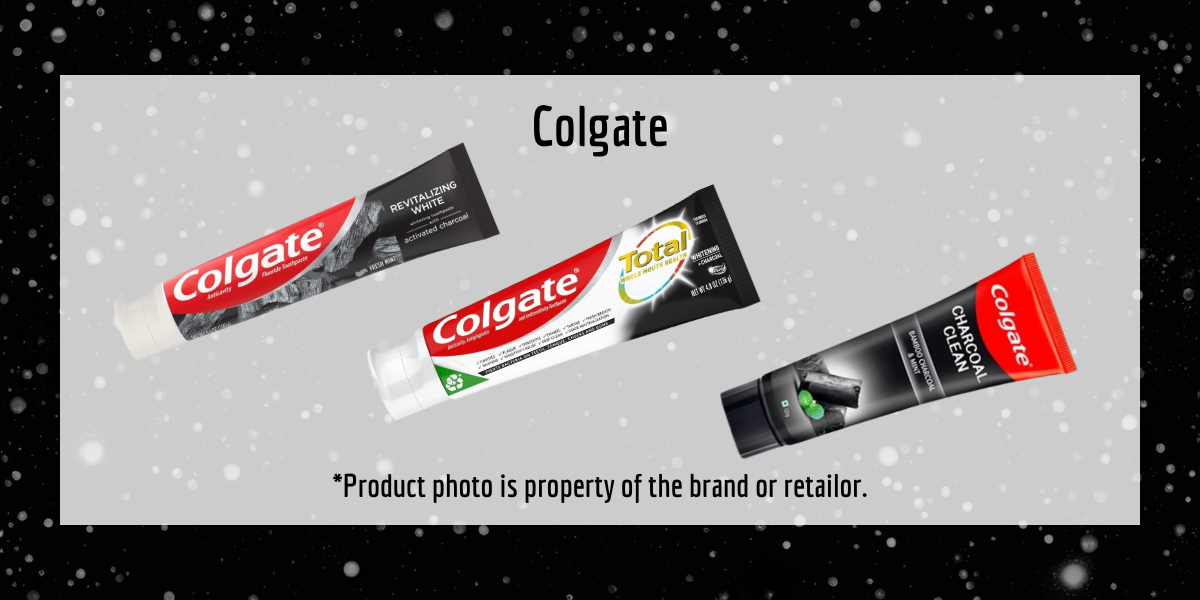
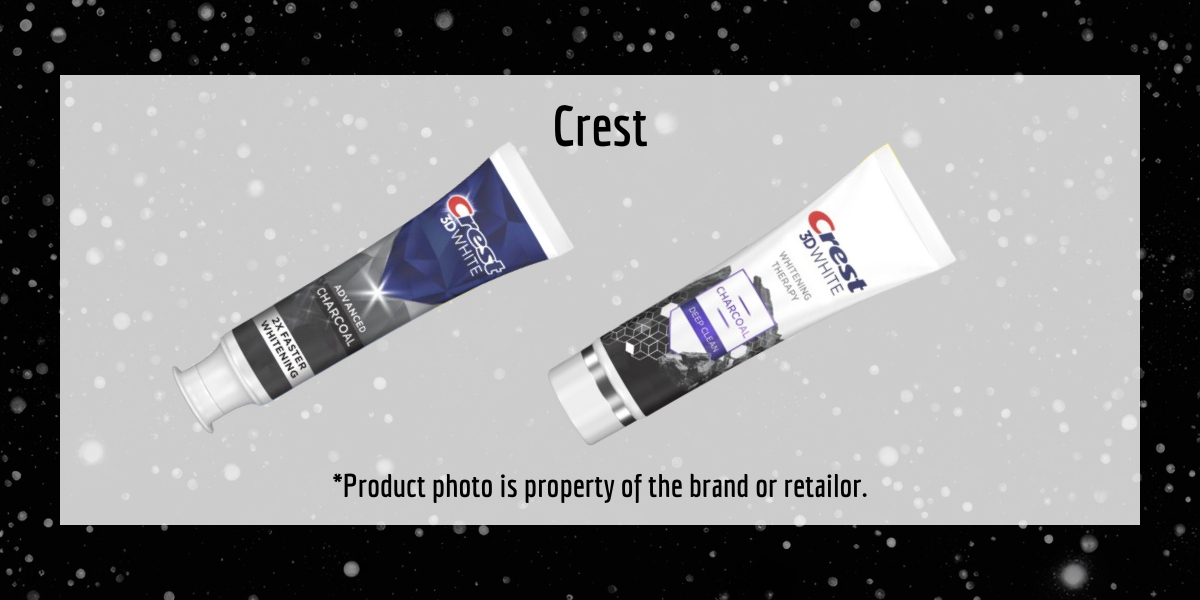
The masters of toothpaste — Colgate and Crest — sell over-the-counter toothpaste containing activated charcoal at Walmart and on Amazon across America.
How bad could special purpose black paste be in your mouth?
When your tongue or teeth turn black or grey from brushing with black toothpaste, the majority will rinse away with water — and that’s the fun of black toothpaste — but (again) some Harvard smartheads wonder could charcoal black toothpaste stains become permanent?
Graycare is NOT a doctor.
One principle dentist says the activated charcoal in toothpaste has a negative electrical charge, but the toxins in your mouth like plaque and bacteria have a positive charge. The bad stuff (+) — therefore — gets absorbed by the charcoal (-).
Activated charcoal’s negative charge (-) also attracts bad breath positive charge (+). Which is most interesting, because in my experience, people react negatively to bad breath.
Yes. Even some charcoal-based toothpastes advertise “whitening” and “stronger teeth” benefits, scientists warn charcoal can damage enamel. Thinning enamel, yellowing teeth, and gingival recession (receding gums) may be caused by toothbrushing with abrasive activated charcoal — according to two registered dental hygienists.
Some researchers confirm charcoal toothpaste is bad for enamel. 🦷
In 2024, researchers tested three types of (Colgate) toothpaste: charcoal, whitening, and regular (fluoridated). They found both charcoal and whitening toothpastes damaged enamel worse than regular toothpaste over time.
A different group of researchers came to the same conclusion in 2021 — by comparing charcoal based whitening toothpastes and regular fluoridated toothpaste, they found charcoal toothpaste made the enamel surface rougher (bad) but didn’t change the enamel hardness (neutral).
Other researchers wonder — “C’mon, how bad could it be?” 🦷
In 2023, researchers tested two kinds of charcoal toothpaste (Colgate and Crest) against three conventional tubes of toothpaste. None of the five toothpastes increased enamel surface roughness.
A separate research group came to the same conclusion in 2022 — charcoal toothpaste didn’t damage enamel or expose dentin any different than regular toothpaste.
Yes, charcoal toothpaste can damage enamel, but so can whitening toothpaste. So for the purpose of tooth whitening with over-the-counter pastes, please use your common sense and good discretion. Better yet, consult a dentist.
Graycare is NOT a doctor.
Yes, the same abrasiveness of activated charcoal inside toothpaste capable of wearing down enamel also may cause irritate and wear down gums.
Smiling people generally try charcoal toothpaste to whiten their teeth. However due to activated charcoal’s abrasive properties, it’s known to wear down the outer layer of pearly white enamel revealing the tooth’s naturally yellow-tinted dentin below.
No, charcoal toothpaste is not intended for blackheads, acne, or skin treatment. Charcoal toothpaste is for brushing your teeth. For your facial skin, try a pore-cleansing charcoal face wash or peel-off charcoal face mask.
Understand the potential benefits of charcoal toothpaste — such as extra abrasion which could scrub away yellow stains — and understand the potential drawbacks — such as extra abrasion which could damage your enamel, expose yellow layers of your teeth, and leave black stains.
Consult your doctor before switching toothpastes.
If you think black toothpaste is a fun idea, despite dentists’ advice not to bristle activated charcoal into your teeth, gums, and tongue — so do Colgate, Crest, and twelve other fun-looking toothpaste brands.
I like looking at the black sludge in my mouth in the mirror, so I brush my teeth more regularly.